
September 15, 2023
Magnesium and Potassium Deficiency in Conifers
Needle yellowing may reflect magnesium or potassium deficiency, but root problems, pH and disease must also be considered.

Green Clinic – Ecosystem Phytopathology Center – Clinic for Plants
September 15, 2023
Needle yellowing may reflect magnesium or potassium deficiency, but root problems, pH and disease must also be considered.

August 8, 2023
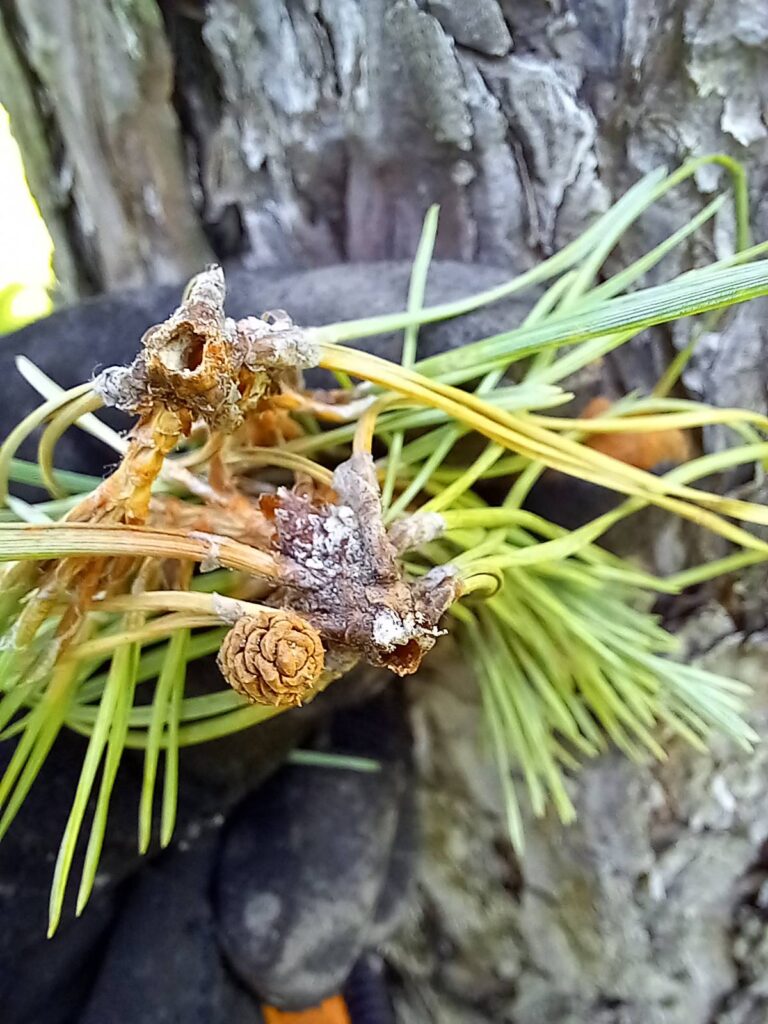
Summer needle spots, browning and shedding may indicate disease, heat stress or root-zone problems.
August 1, 2023
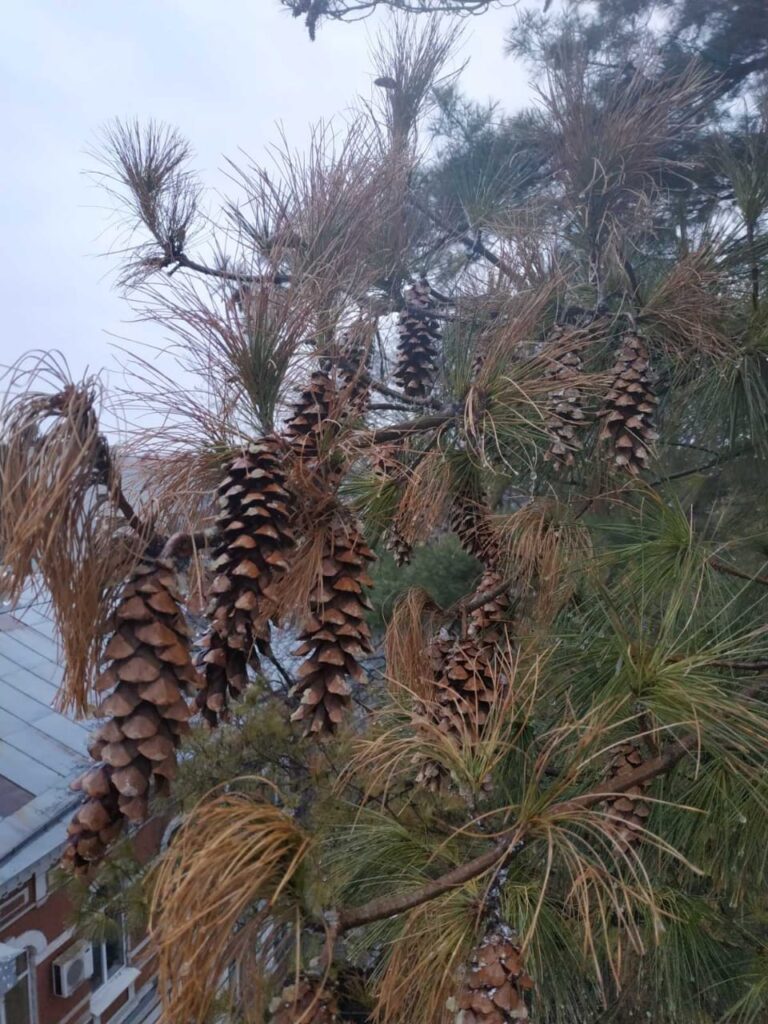
Fresh fallen shoots, small holes, boring dust and resin may indicate bark beetle activity on a pine.
July 23, 2023
How to recognise possible Diplodia shoot blight in pine and what to check before treating the tree.

July 19, 2023
Pine ophiostomosis is caused by fungi of the genera Ophiostoma, Ceratocystis and Grosmannia. The wood on the sections of the plant has a bluish color. By the nature of the color, it is possible to determine the route of infection. For example, if the upper sections of the trunk are more colored than the lower […]

July 18, 2023
Pine fusarium, also known as tracheomycosis, is one of the most dangerous pine diseases caused by a fungus of the genus Fusarium. This disease can affect all types of pine, as well as larch, fir and spruce. Symptoms of Fusarium wilt include wilting and dying of young growth. Stems change color, acquire purple or blue […]

May 27, 2023
Wilting of young shoots of spruce, caused by fungi of the genus Sirococcus, is a serious problem for many types of coniferous plants, such as spruce, fir and almost all types of pine. This disease can cause significant damage in forest plantations and gardens. The pathogen attacks the young growth of conifers, causing damage to […]

May 27, 2023
Prevention of thuja diseases in the spring is an important aspect of caring for these plants. Thuja is a popular evergreen that can be prone to some diseases, especially in conditions of humidity and poor ventilation. Here are some tips for preventing thuja diseases in the spring: Rehabilitation after winter: After winter, arborvitae may need […]

April 26, 2023
Spring is a time of renewal and growth of many plants, including Scots pine. When the snow melts and the temperature rises, the pines begin to wake up from their winter sleep and prepare for the new season. This is a critical time for the tree, as pine care actions taken at this time can […]

February 22, 2023
Fungal lawn diseases can cause many problems, such as the appearance, health and longevity of your lawn. Here are a few types of fungal diseases that can occur on a lawn: Gray Rot: This is one of the most common fungal lawn diseases. It is caused by a fungus that grows in the humus layer […]

February 18, 2023
Oak wilt syndrome, or dry top disease, is caused by the fungi Phytophthora ramorum and Phytophthora kernoviae and is a serious disease that can lead to massive dieback of oaks. These fungi are known for their ability to cause disease in a variety of plant species, but oaks are particularly vulnerable. These fungi are usually […]

February 10, 2023
Juniper is a popular type of evergreen tree commonly found in many regions of the world. They are known for their hardiness and versatility, making them a popular choice for landscaping and decorative purposes. However, in recent years, a new threat has appeared that causes concern for those who grow and care for juniper -Juniper […]
September 12, 2022
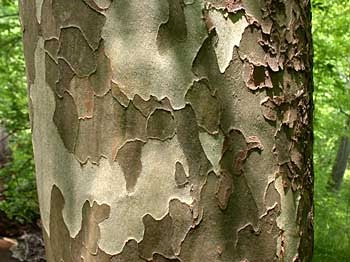
Peeling bark can be natural for pine, birch, maple and sycamore, but exposed wood, decay or insects require investigation.
September 8, 2022
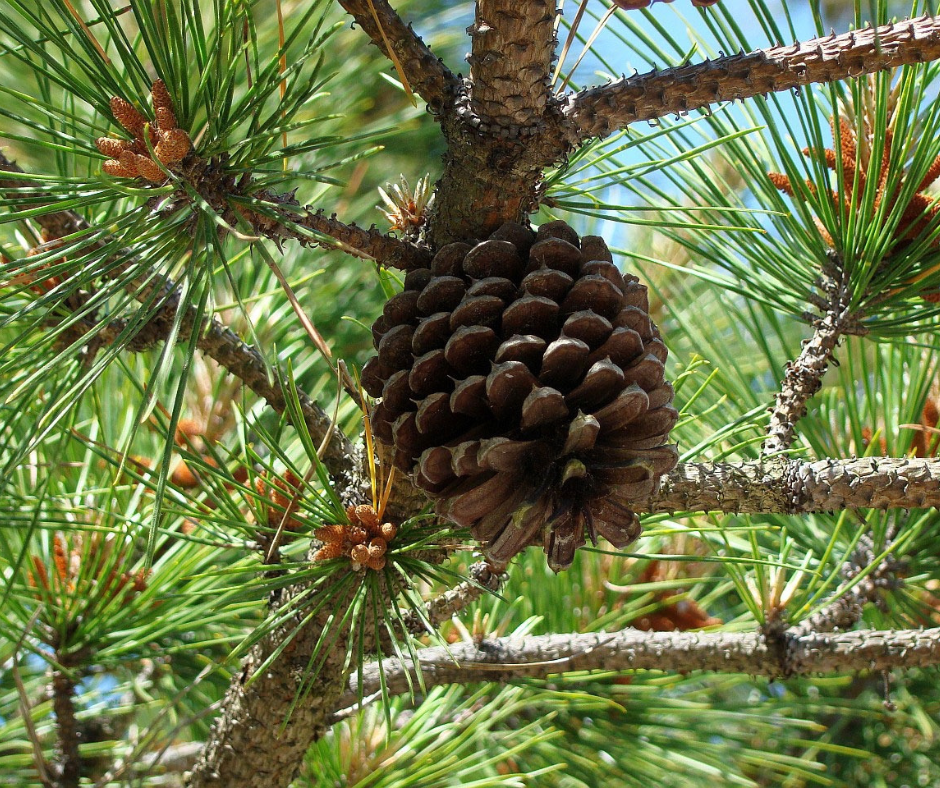
Rapid fading and wilt in susceptible pines may require testing for Bursaphelenchus xylophilus and other causes.
September 1, 2022
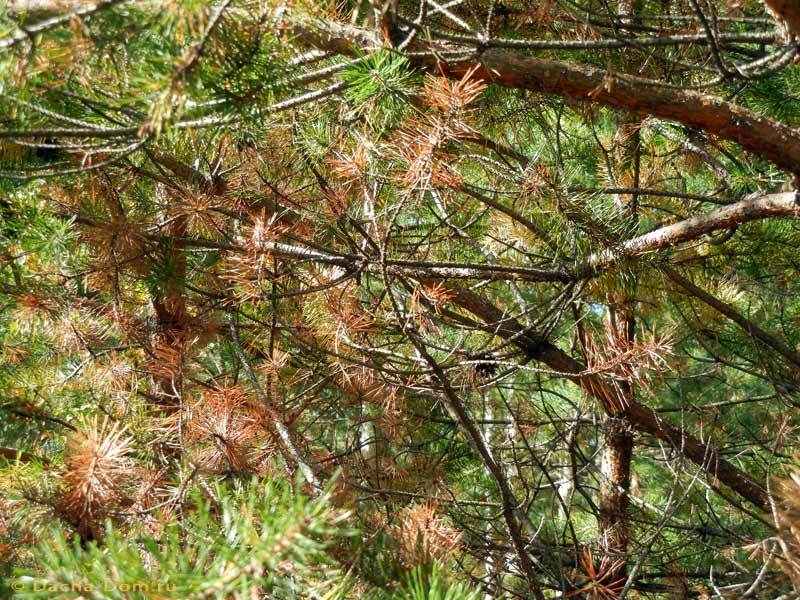
Yellow pine needles outside the usual shedding period may reflect heat, water stress, mites, needle disease or root problems.
August 31, 2022
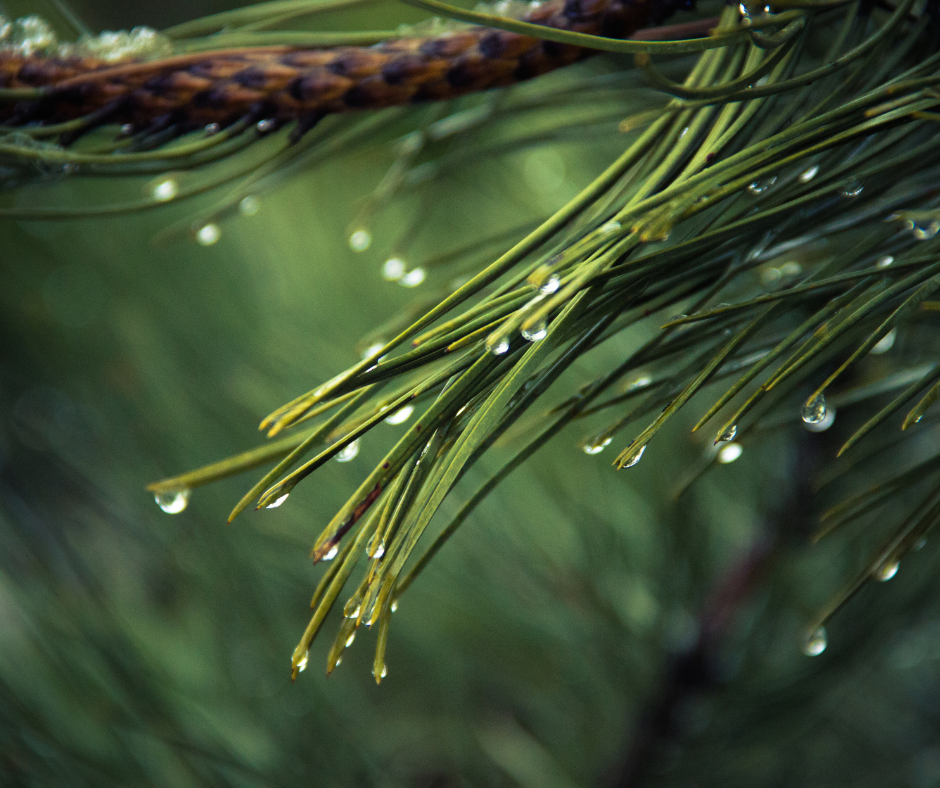
A black coating on conifer needles is often sooty mould growing on honeydew produced by sap-feeding insects.
August 29, 2022
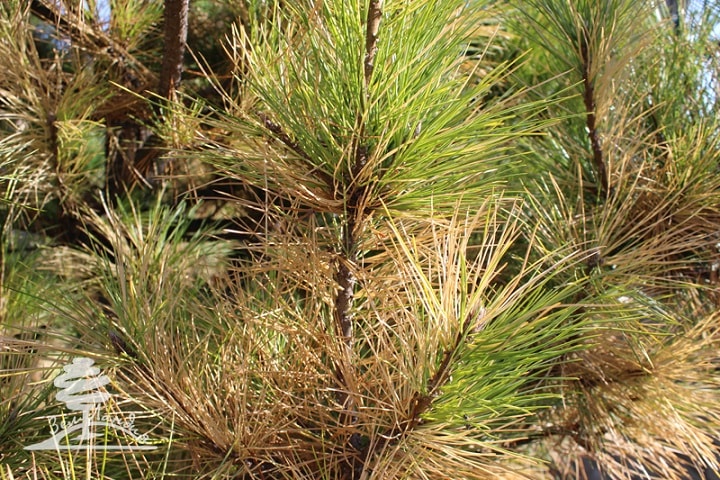
A practical checklist for distinguishing normal needle shedding from root stress, disease, pests and nutrient problems.
August 22, 2022
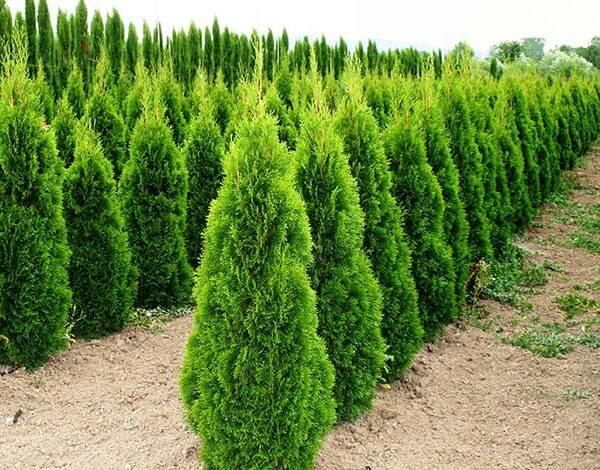
How to distinguish fungal diseases of arborvitae from winter injury, root stress and other causes of browning—and what to inspect before treatment.
August 15, 2022
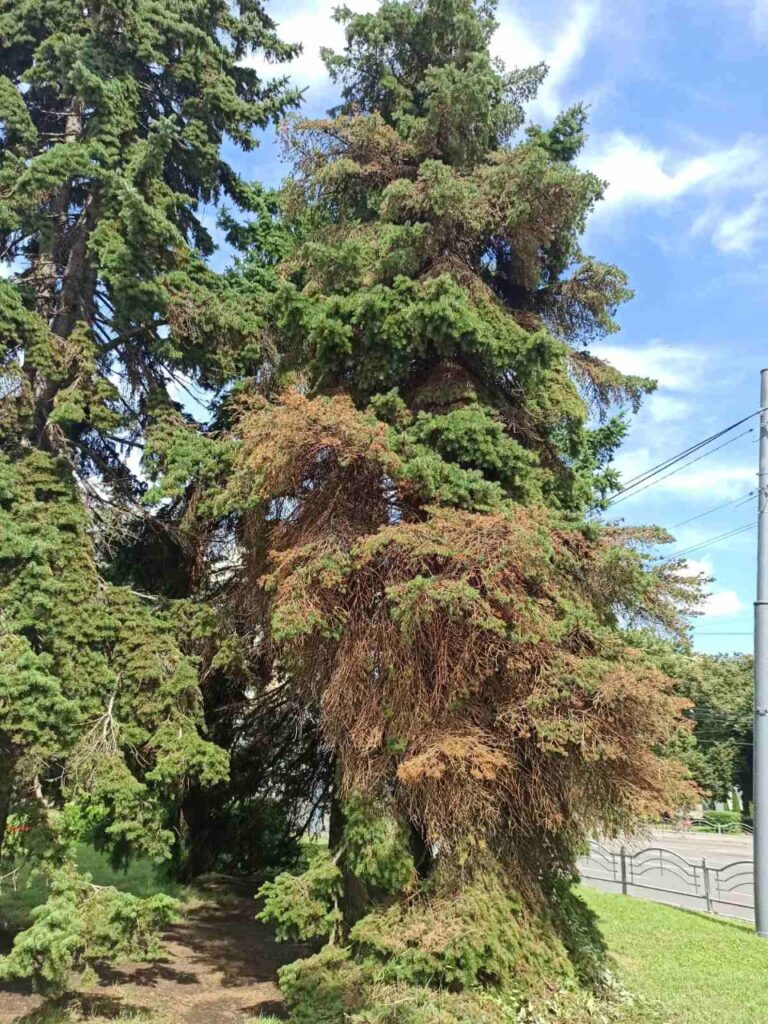
Pale yellow spots followed by browning and needle loss may indicate Rhizosphaera needle cast or another foliage problem.
August 11, 2022
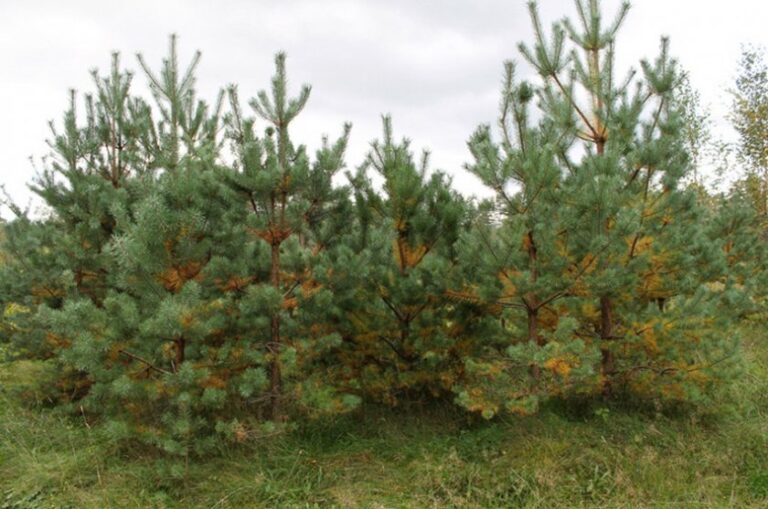
Pine needles may turn yellow because of seasonal shedding, water stress, root problems, disease, pests or nutrient imbalance.
July 12, 2022
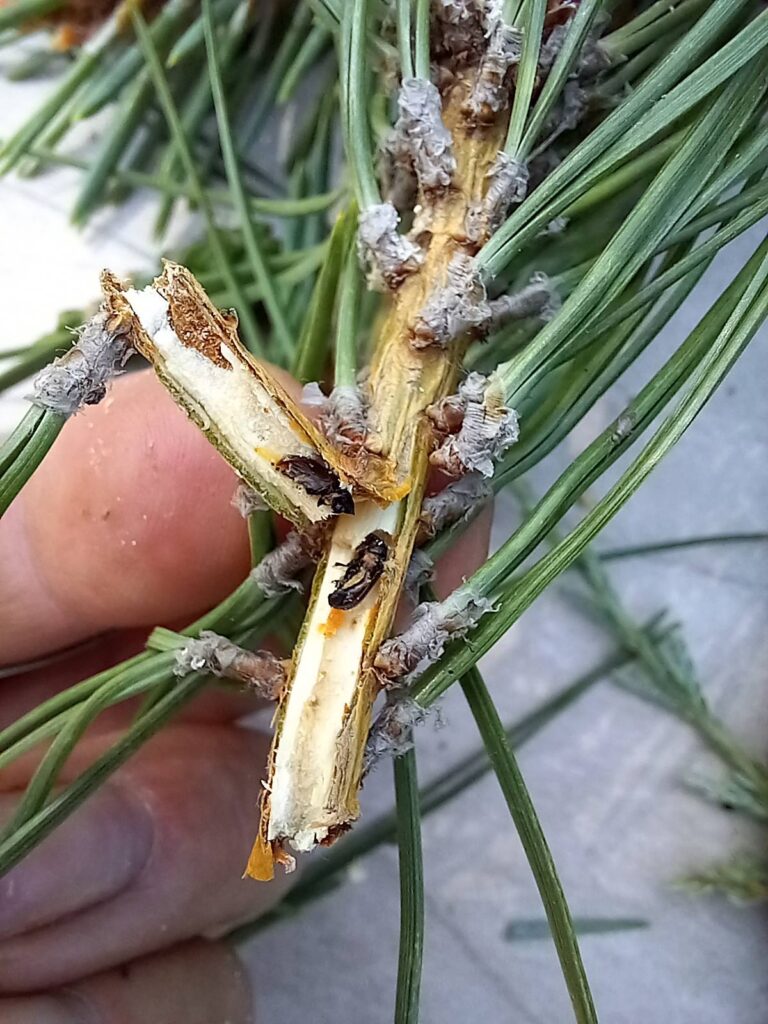
Fading crowns, fallen shoots, entry holes and boring dust may indicate Ips acuminatus activity in a stressed pine.

October 3, 2021
Peptic ulcer of the tree. The person who chooses a tree in the Garden Center has a task – to grow a fast-growing healthy tree that can fight the penetration of pathogenic microorganisms into the bark with a good program of tree care. Caring for a tree is to help avoid the tree of stress. […]
October 2, 2021
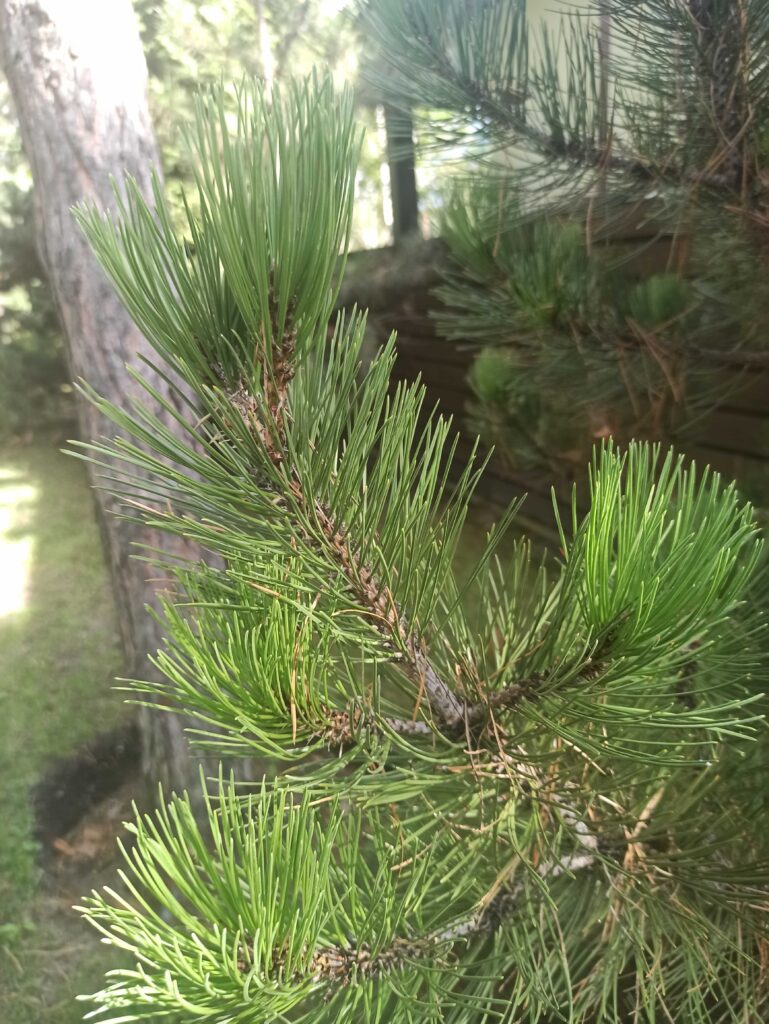
Conifers are evergreen plants, they desperately need feeding, especially in the autumn period. Autumn is the best time to provide plants with reserves of nutrients and trace elements. It is in autumn that plants accumulate the necessary substances that provide resistance to low temperatures and give strength to young growth formed this year. Taking into […]

October 2, 2021
Did your evergreen plant start to turn yellow in the spring? The usual time of seasonal fall of needles is autumn and this is a natural process. Therefore, you need to pay attention to who or what is the cause of yellowing – it may be symptoms of pests or cultural problems. Several pests are […]

September 6, 2021
I suggest you go into the garden and look carefully, approach the deciduous trees. Now, before the leaves have fallen, it is easy to see where there are problems. Broken branches from gusts of wind, dried branches from moniliosis and other diseases, how much the leaf is damaged by pests or diseases. Analyzing these signs, […]