
Green Clinic field note
Pine Wilt Nematode: Symptoms and Diagnosis
Rapid fading and wilt in susceptible pines may require testing for Bursaphelenchus xylophilus and other causes.
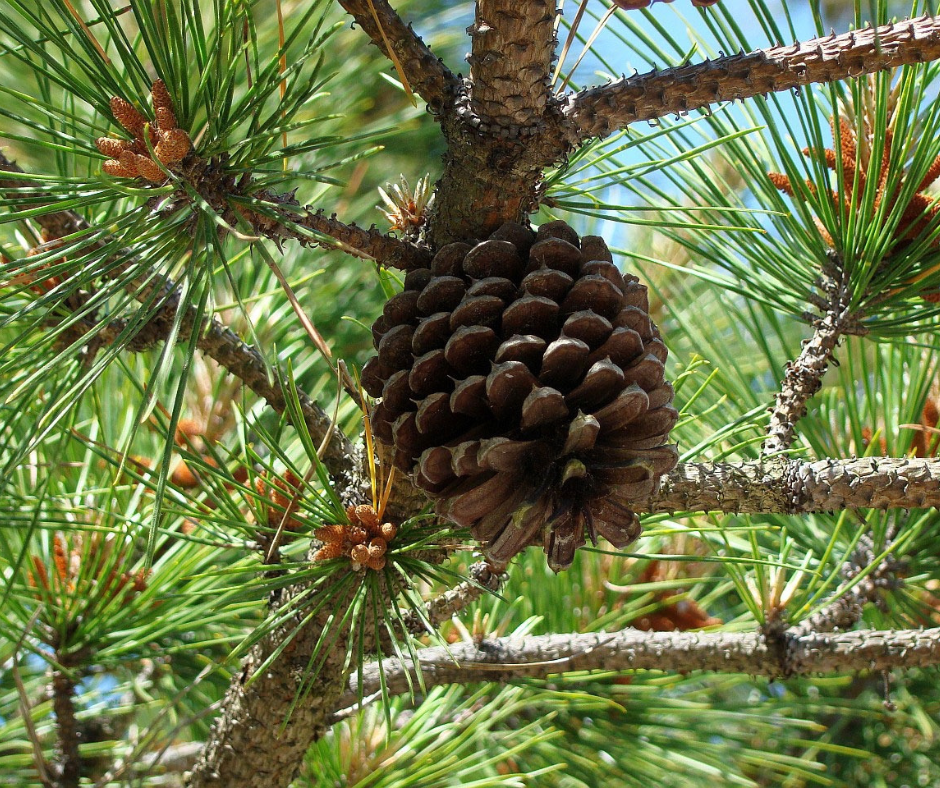
Pine wilt nematode, Bursaphelenchus xylophilus, can cause rapid fading, yellowing and wilting in susceptible pines. These symptoms overlap with drought, root failure and other vascular problems, so confirmation requires examination of appropriate wood samples.
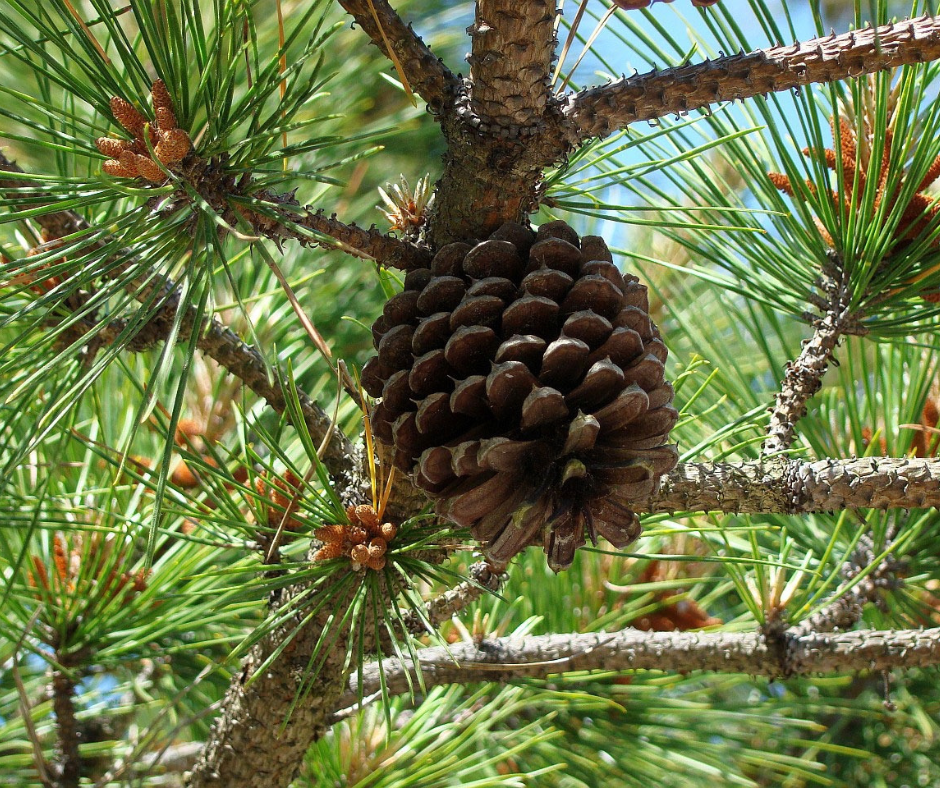
Possible warning signs
- needles fade from green to yellow and reddish brown;
- wilting develops quickly in part or all of the crown;
- resin flow may decline in affected tissue;
- the tree deteriorates during hot, dry conditions;
- wood-boring longhorn beetles or fresh feeding wounds are present nearby.
Is a pine fading rapidly? Send the entire crown, trunk, base and the clearest symptoms. Do not move suspect wood from the site.
How the nematode spreads
The nematode is associated with Monochamus longhorn beetles, which can carry it to feeding or oviposition wounds. Movement of infested wood is an important pathway. Distribution and regulatory status vary by region, so suspected cases should be handled cautiously.
Why laboratory confirmation matters
Drought, bark beetles, root damage and vascular diseases can produce a similar rapid decline. Diagnosis involves collecting wood from suitable parts of the trunk or symptomatic branches and identifying the nematode by appropriate laboratory methods.
What to do when pine wilt is suspected
- document symptoms and the rate of change;
- do not chip, transport or use suspect wood as mulch;
- check nearby pines for similar decline;
- record recent drought, construction and root injury;
- seek professional and, where applicable, phytosanitary guidance.
Professional plant diagnosis helps distinguish regulated or infectious threats from site stress. Other causes can then be addressed through an appropriate pine treatment plan.
Rapid wilt should not be diagnosed by photographs alone
An initial review can determine urgency and whether sampling or a site inspection is warranted.