
October 23, 2026
Deicing Salt Near Trees: How It Damages Roots and Needles
Salty runoff affects soil and roots, while spray acts directly on needles and buds. Symptoms often become visible only in spring.

Green Clinic – Ecosystem Phytopathology Center – Clinic for Plants
October 23, 2026
Salty runoff affects soil and roots, while spray acts directly on needles and buds. Symptoms often become visible only in spring.
October 20, 2026
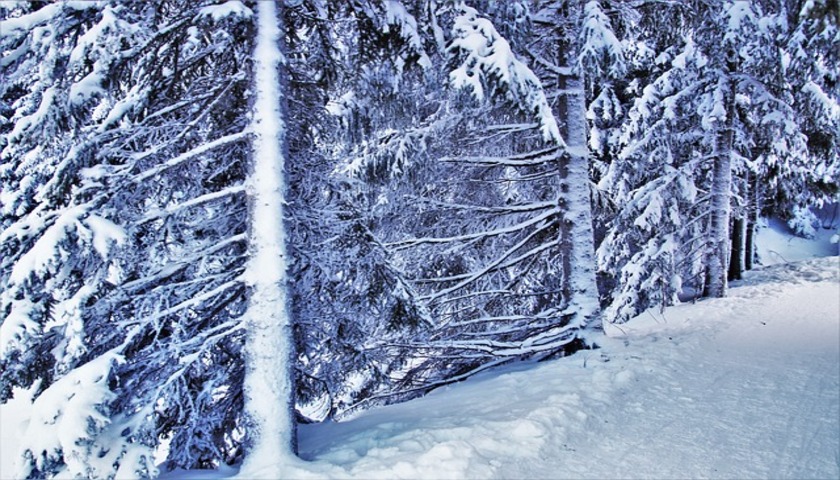
Heavy wet snow and ice can spread stems and break branches. Striking a frozen crown or pruning too soon may increase the damage.
October 16, 2026
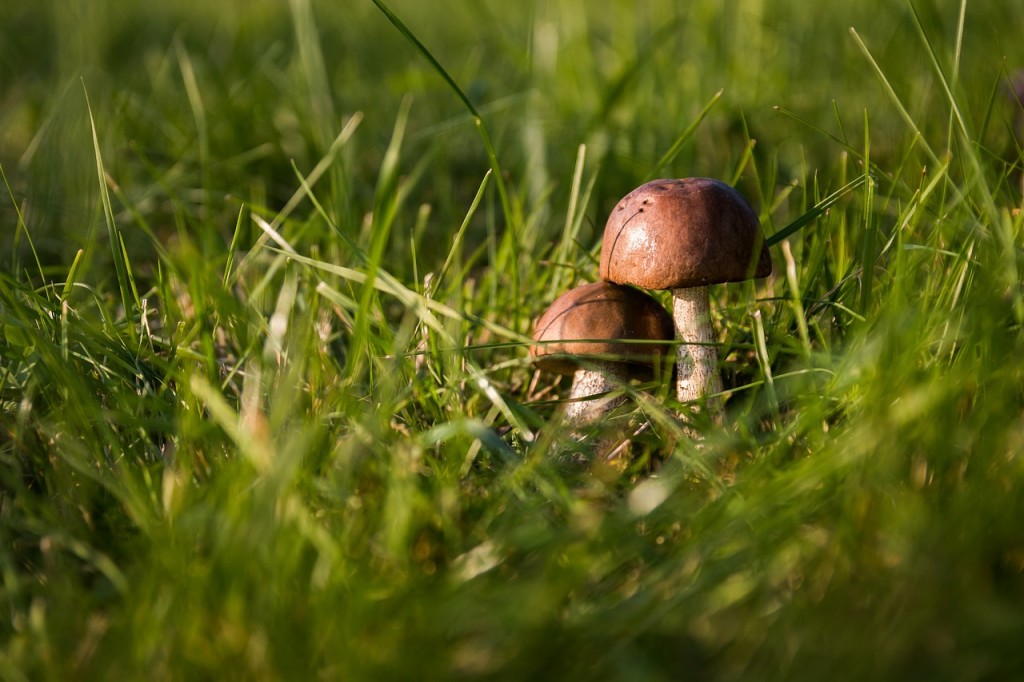
Fruiting bodies may grow from old wood, but mushrooms at the base of a declining tree warrant assessment.
October 13, 2026
Pines may shed older inner needles in autumn, but changes in current growth, the leader or one crown sector warrant assessment.
October 11, 2026
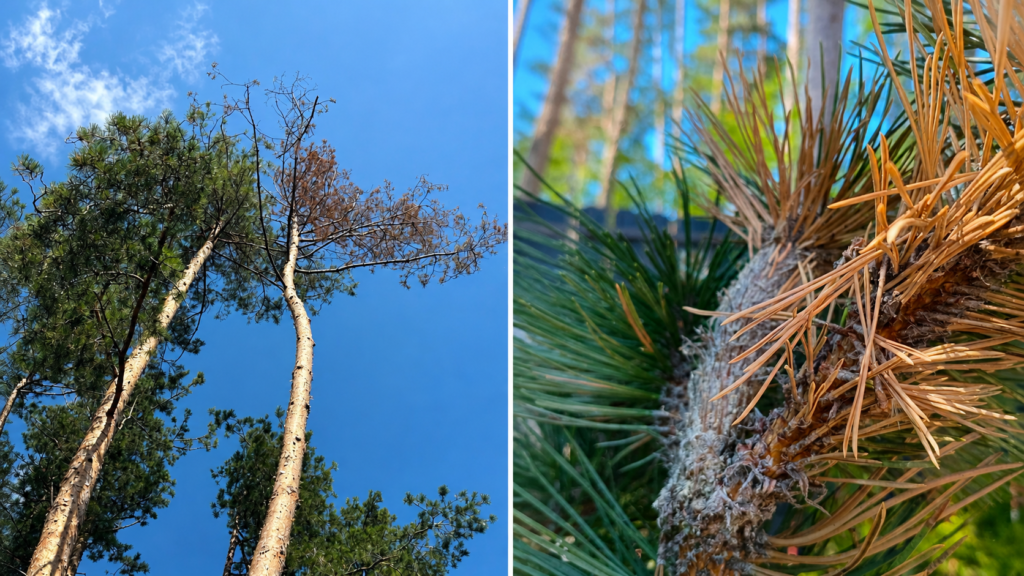
Why a pine may yellow or decline after construction, new lawn, irrigation or paving: seven site changes, symptom patterns and a diagnostic checklist.
October 11, 2026
Preparing conifers for winter starts with assessing the crown, root zone, soil moisture and recent changes around the tree—not with a universal treatment.
April 12, 2025
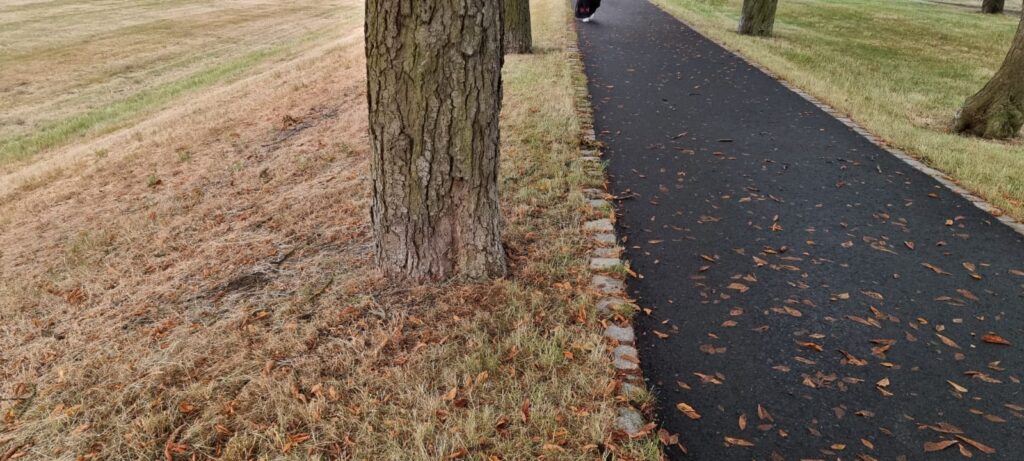
Construction can compact soil, sever roots and alter drainage around pines. Recovery begins with diagnosing the root-zone changes.
October 1, 2024
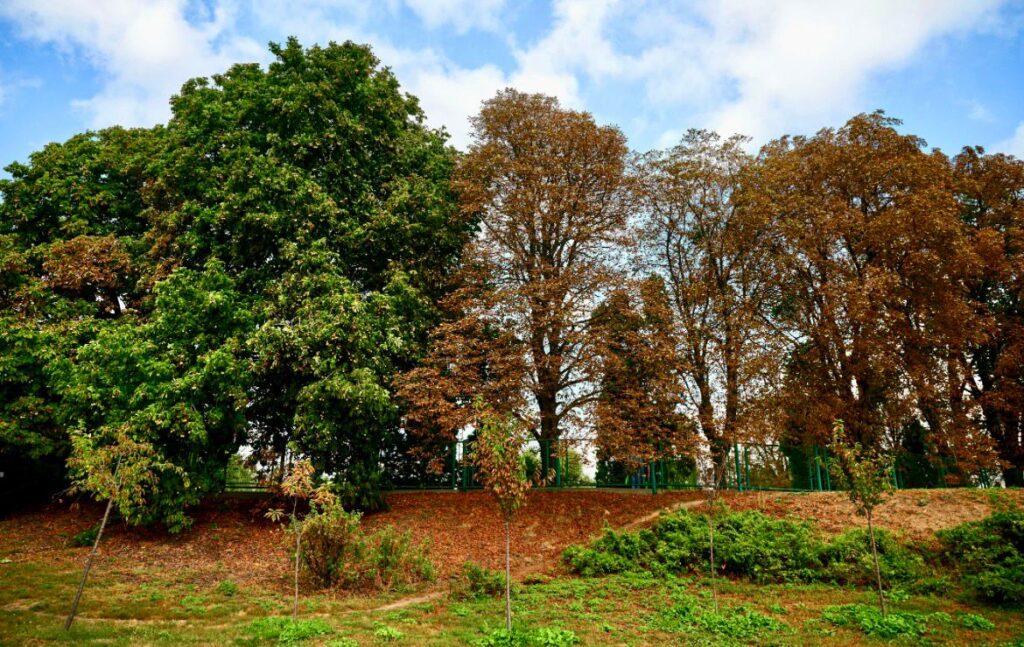
Chestnuts have become a real symbol and decoration of the capital of Ukraine, but these magnificent trees are under threat from a dangerous pest – the woodworm. As a result of the damage, chestnuts can not only lose their aesthetic appearance, but also gradually die over the years. Syngenta’s specialists managed to find a successful […]

September 11, 2024
Covering the base of a pine trunk with soil is a common problem, which is also called ‘Root collar deepening’. In this article, we will consider what it is and what consequences it has for pine trees. What is root collar burying? Burying the root collar or covering the base of the pine trunk with […]
September 6, 2024
Pine trees are a real decoration of the urban landscape and ecosystem. The health of the pine root system is important not only for nourishing the plant so that it receives enough nutrients for growth and development, but also for its reliable anchoring in the soil. During the construction of paths and other construction works, […]
August 20, 2024
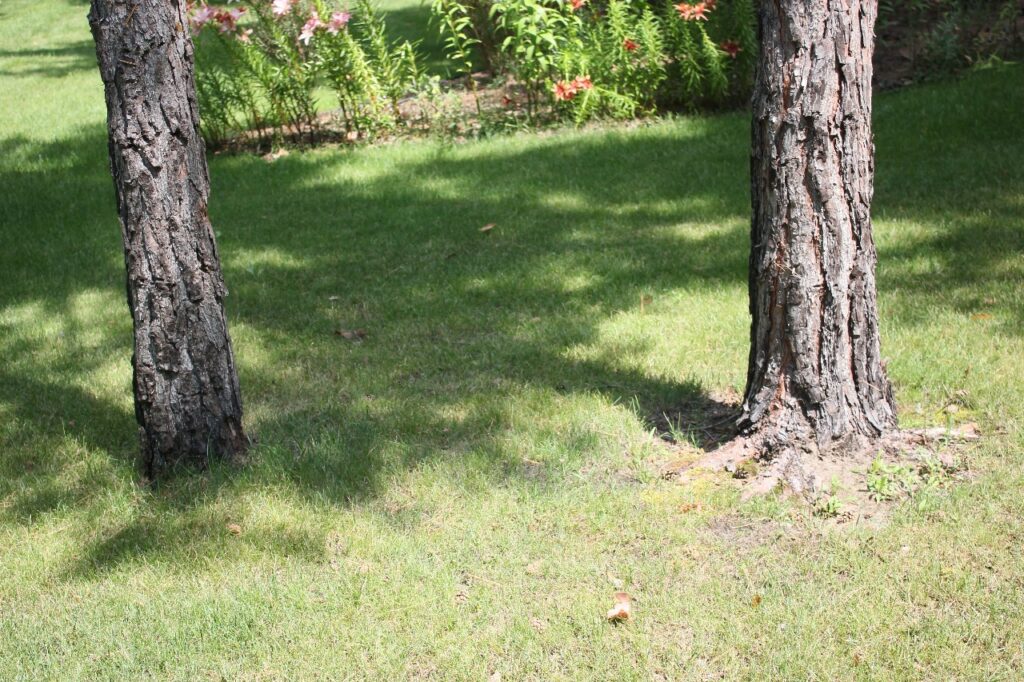
Pine trees on the plot where you intend to build your house are not only a pleasant coolness and shade in summer, fresh air enriched with healing properties and intoxicating aroma of pine needles, but also an important part of the ecosystem, because pine trees are able to ‘produce’ oxygen throughout the year. It is […]

August 1, 2024
Water is the lifeblood of any landscape ecosystem, and effective irrigation is crucial for balanced plant growth and development. However, as technology advances, certain unintended consequences can arise. One such problem is the “jet attack” of the trunk bark by irrigation systems. This phenomenon occurs when water jets during irrigation affect the trunk bark from […]

July 26, 2024
Pine is a plant often associated with strength and endurance, but it often dries up and turns yellow in the heat. In summer, when temperatures rise, a decrease in turgor is the first sign of plant stress. This can be caused by a number of factors, including a lack of water, which leads to dehydration […]

July 9, 2024
The emerald ash borer Agrilus planipennis Fairmaire is a real threat to deciduous forests. This dangerous insect has already been spotted on the territory of Ukraine, in particular in Luhansk and Kharkiv regions. In this article, we will talk about what the emerald ash borer looks like, consider the most common signs of its activity, […]

July 5, 2024
Have you ever noticed changes in the colour of the needles in the middle of the surface of thuja, juniper, cypress branches – all these can be signs of the “work” of an invasive pest – Lamprodila (Palmar) festiva (L.) Coleoptera: Buprestidae First signs of the Lamprodila (Palmar) festiva The larvae of this insect gnaw […]

June 28, 2024
Schizolachnus pineti is an insect that does not cause any significant damage to pine trees, but affects their decorative effect. The insects settle on many species of pine trees, but they are particularly attracted to young plants, where they live in dense colonies along the needle rows.If the winter is not too severe, the colony […]
June 20, 2024
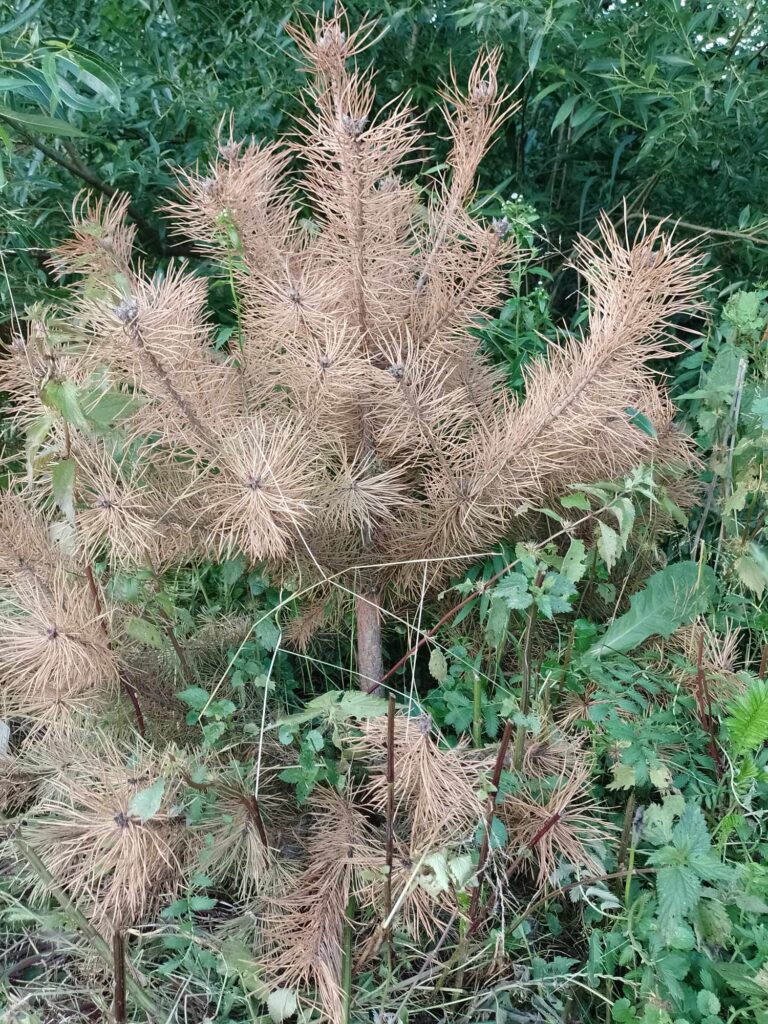
Root rot is a dangerous disease that affects conifers and causes significant problems for forest ecosystems around the world. Caused by the fungal pathogens Phytophthora, Armillaria and Heterobasidion, root rot leads to the decline and death of affected plants, thus threatening the sustainability and health of forest habitats. The ecosystem approach, which focuses on prevention […]

June 13, 2024
Pine forests are vital ecosystems that support biodiversity, livelihoods and perform important functions: Carbon sequestration, water regulation and soil stabilisation. Pine forests are valuable components of many temperate ecosystems around the world. One of the most serious threats to forests in Ukraine and around the world is late pine blight. This dangerous disease has devastating […]
June 6, 2024
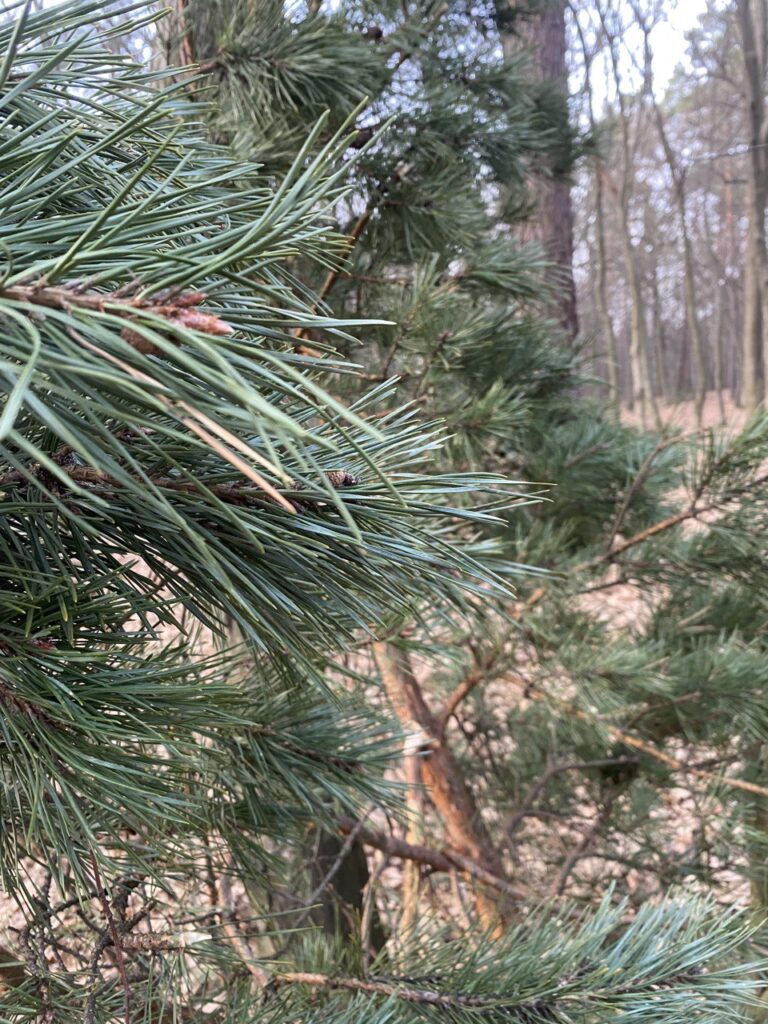
Pine trunk nematode (Bursaphelenchus xylophilus) is a significant threat to conifers, causing a devastating disease known as pine wilt. This microscopic nematode, originally from North America, has become an invasive species in many parts of the world, causing damage to forests and plantations. Knowledge of how to recognise and detect the signs of pine wilt, […]

May 29, 2024
Dear colleagues, friends, partners! We are sincerely pleased to announce the successful implementation of Syngenta’s Tree Care chestnut protection programme. On 24 May 2024, at a meeting between representatives of the Research Centre for Plant Health and Ecosystem Planning ‘Green Clinic’ and the Communal Enterprise for the Maintenance of Green Spaces of Shevchenkovskiy district of […]

May 16, 2024
In spring, when nature wakes up after winter sleep, fruit trees become especially vulnerable to various diseases. This period is characterized by active growth and flowering, but at the same time the risk of infection by various pathogens also increases. In this article we will consider the most common diseases affecting fruit trees in spring. […]

April 23, 2024
Galls are ball-shaped growths that form on the leaves of trees. The cause of gall formation may be the activity of insect pests: gall mites, gall nematodes. Galls cause significant damage to plants. In the article we will consider why galls appear; how they are formed, how to notice the first signs of galls on […]

April 11, 2024
The chestnut moth, also known as the chestnut weevil or chestnut weevil, is a small insect originating from Europe and Asia. It belongs to the family Tortricidae and mostly affects chestnuts (Castanea spp.). Adult moths are typically reddish-brown in colour with distinct white markings and are about 5-6 mm. long. Although adults cause minimal damage, […]

April 3, 2024
Pine trees, with their majestic stature and evergreen needles, are a symbol of resilience and longevity in the natural world. However, like any other living organism, they are susceptible to various diseases that can cause suffering and discomfort. Disease conditions in pine trees appear in several ways, such as brittle branches, needle wilt, dryness, yellowing […]
March 15, 2024
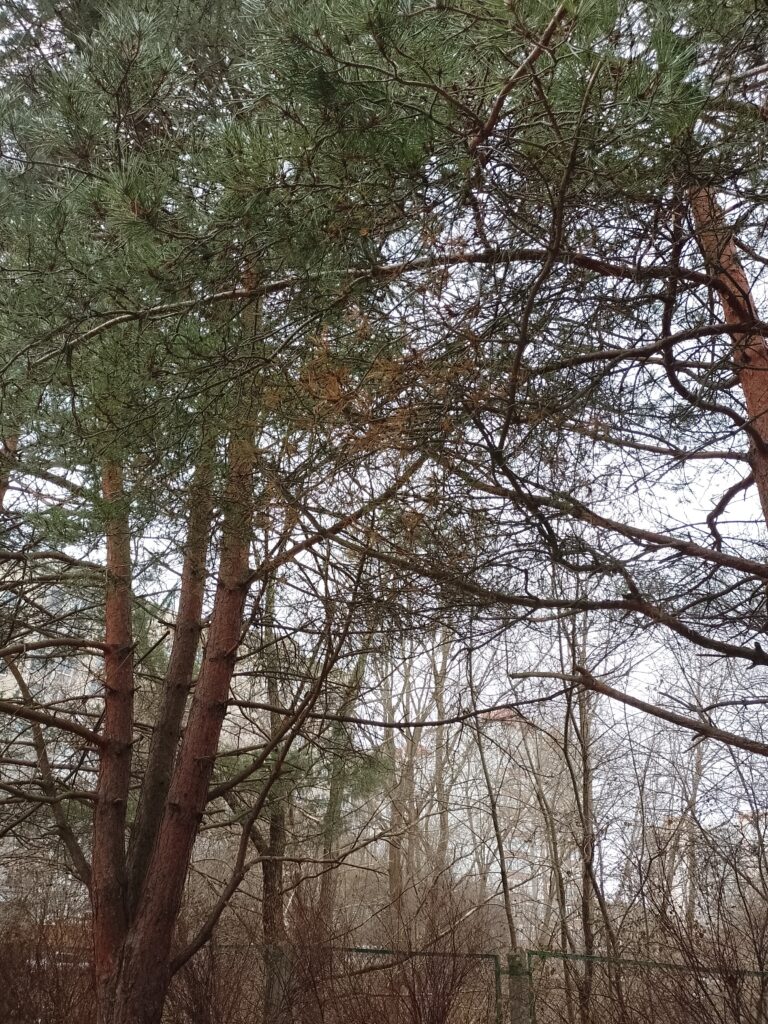
Despite their minuscule size, bark beetles are having a devastating impact on pine forests around the world. These tiny insects, often overlooked, are integral to forest ecosystems, but their spread can lead to catastrophic consequences. This article will be useful to anyone who cares about pine trees in forestry, as part of urban landscaping, or […]