
Green Clinic field note
Pine trunk nematode – a threat to conifers

Pine trunk nematode (Bursaphelenchus xylophilus) is a significant threat to conifers, causing a devastating disease known as pine wilt. This microscopic nematode, originally from North America, has become an invasive species in many parts of the world, causing damage to forests and plantations. Knowledge of how to recognise and detect the signs of pine wilt, understanding the impact of pine stem nematode on plants and implementing preventive measures and an ecosystem approach are important steps to protect conifers from the effects of this pest.
How to recognise and detect the signs of the disease?
Recognising and detecting the signs of pine wilt disease is the main defence line against the pine stem nematode. Early detection can significantly reduce the spread and damage caused by this pest. The most common signs of the disease that are important to notice as early as possible to avoid the death of conifers:
Visual symptoms
Change in the colour of the needles: One of the first signs of pine wilt disease is the yellowing and browning of the needles, which usually starts at the crown of the tree and gradually spreads downwards. This colour change is the result of the plant’s inability to transport water efficiently due to blockages in its vascular system by nematodes.
Wilting and drying: As the disease progresses, the needles wither, dry out, and do not detach from the branches. The plant may turn reddish-brown. This indicates that the pine is under severe stress and is likely to be affected by the pine trunk nematode.
Rapid decline: Pine wilt often results in a rapid decline of the plants. Affected trees can go from healthy appearance to death within a few weeks or months. This rapid progression is a characteristic feature of the pine wilt disease.
Consequences of the pine trunk nematode
The impact of the pine stem nematode on the plant
The impact of the pine trunk nematode on conifers is very destructive. Once inside the plant, the nematode multiplies rapidly and disrupts the ability of pine trees to transport water and nutrients. As a result, this leads to severe physiological stress and, ultimately, death. Let’s take a closer look at how this affects the plant:
Violation of the water exchange of pine
The nematodes feed on the epithelial cells lining the resin canals and migrate throughout the tree’s vascular system. This feeding activity and migration cause significant damage to the xylem tissues responsible for water transport. As a result, the plant experiences significant water stress, which leads to wilting and drying out.
Induced plant defense responses
When a plant is infested with nematodes, it produces defence compounds such as resins and phenolic substances. Although these defences are intended to repel the pest, they often exacerbate the problem. The accumulation of resins leads to blockage of the xylem vessels, which impedes water transport and accelerates the decline of the tree.
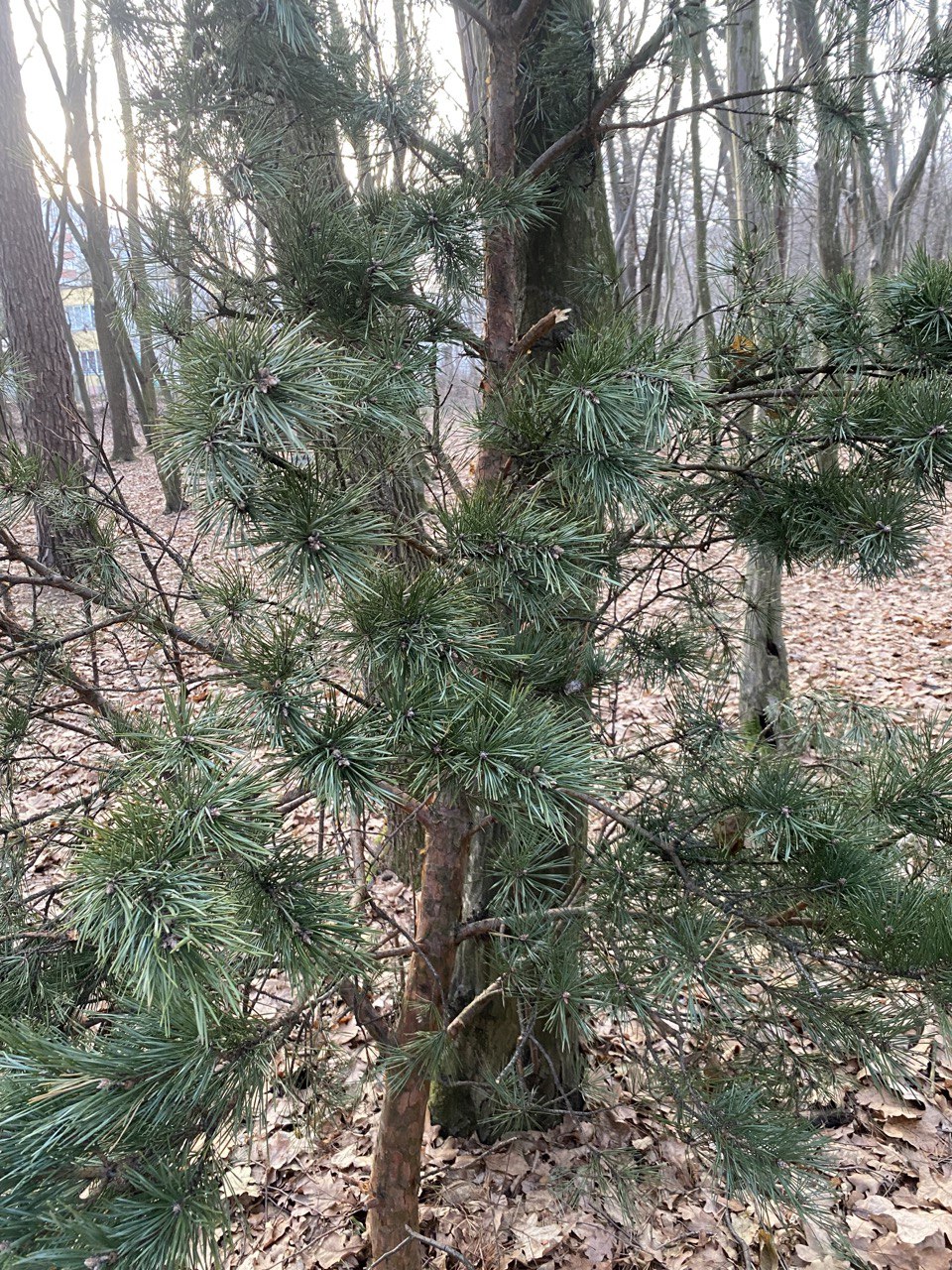
A branch of pine needles affected by the pine trunk nematode
Weakened plants become vulnerable to infection by other pests and pathogens. For example, bark beetles are attracted to weakened plants and can further damage the plant by introducing fungal pathogens that can cause additional diseases (blue spot fungus).
The economic consequences of pine trunk nematode infestation are particularly significant and felt in commercial forestry and ornamental landscaping. The loss of mature trees reduces the yield and quality of timber, leading to financial losses. From the perspective of the impact of the pine trunk nematode on the ecosystem in which the plant lives and grows, the death of a significant number of trees can change the structure and composition of the forest, affect biodiversity and increase the risk of forest fires due to the accumulation of dead wood.
Preventive measures
Maintain tree health: Maintain the overall health of the trees through proper watering – healthy trees are more resilient and less susceptible to nematode infestation.
If you notice the first signs of pine wilt, do not hesitate to contact the specialists with many years of experience at the Green Clinic Ecosystem Phytopathology Centre, where innovative ecosystem planning solutions and tools necessary for effective diagnosis of plant damage by pine trunk nematodes will be offered.
Timely intervention at an early stage of the disease will help to save the plant, avoid damage, preserve the beauty and freshness of conifers, in particular, and the ecosystem as a whole.Get professional advice by phone: +380632851405
By seeking professional help as soon as the need arises, we can protect our forests and ornamental landscapes from the devastating effects of the pine tree trunk nematode. Through collaborative ecosystem planning efforts, we can reduce the impact of this invasive pest and ensure the health and longevity of conifers. The beauty and health of our urban landscapes and forest ecosystems are in our hands.