
Green Clinic field note
Pine spindle worm Anamaspis lowi on conifers. What to do?

Conifers such as pines, spruces, firs, larches, thuys, cypresses and others are an integral part of the natural and cultural landscape. Moreover, conifers are an important component of the ecosystem, as they are able to produce oxygen throughout the year, ensure the absorption of greenhouse gases, protect against erosion and soil degradation. However, the optimal growth and development of conifers is threatened by various insect pests.
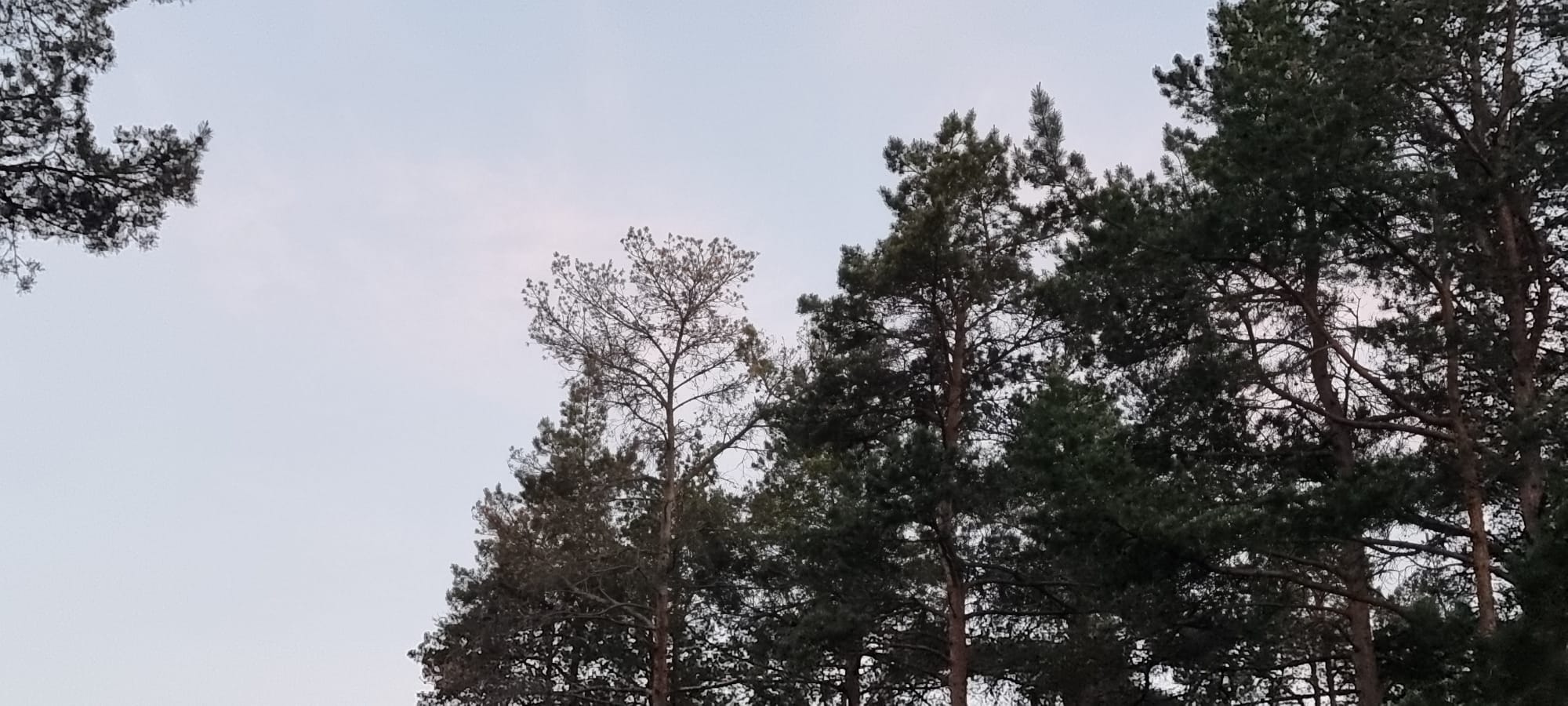
A real problem for foresters, gardening and landscape design specialists and coniferous plant enthusiasts has become the pine spindle worm . Its scientific name is Anamaspis lowi.
This tiny insect can cause damage to coniferous trees if the necessary preventive measures are not taken in time.
In the material let us tell you about how the pine spindle worm looks like, reveal the main features of the life cycle of the insect, how to identify the first signs of its activity on the surface of coniferous plants, as well as what preventive measures are important to prevent the spread of the pine spindle worm.
What does the pine spindle worm Anamaspis lowi look like?
The pine spindle worm is a species of pinworm that predominantly infests conifers. These pests are only a few millimetres long and have a distinct spindle shape with a protective covering that helps the insects to camouflage themselves on the surface of the plant; they are difficult to spot with the naked eye.They often accumulate on conifers’ needles and branches. The insects are characterised by short antennae and a long proboscis and live on needles, shoots and cones of conifers, where it lays eggs and develops.
Life cycle of the pine spindle worm
Understanding the life cycle of the pine spindle pinworm is very important for effective control. These insects undergo a gradual metamorphosis, the stages of which include egg laying, nymphs (caterpillars), and adults. The caterpillar stage is particularly important as it is a mobile phase during which the insects search for new feeding locations.
There are winged and wingless shield worms. Winged shield worms emerge in late summer and early autumn, when they search for new host plants. wingless pinworms live on conifers throughout the year, forming colonies on needles, shoots and cones.
The female pine shield has a peculiar white shield; overwintering shields feed and lay eggs from spring to autumn. Larvae appearing in May can actively move around and quickly infest new conifers.
The first signs of pine pine spindle worm activity. What one should pay attention to
These are usually the first signs of the pine needleworm’s activity:
Yellowing, wilting, withering, drying, and falling of needles occurs because the spindly pine worm feeds on plant sap, disrupting the plant’s nutrient supply;
Delayed growth and development;
Honeydew: pine pinworms secrete a sticky sugary substance that can attract ants and promote the growth of sooty mould. The presence of honeydew is a clear indication that the pinchworm is active and can significantly damage the health of the plant;
Presence of yellow-brown or green insects on needles, shoots and cones of conifers, which can be seen with the naked eye or magnifying glass.
Presence of oval eggs of white and later yellow colour on needles, shoots and cones.
Preventive Measures
Involving natural predators such as ladybirds can help keep pine shield populations under control. These beneficial insects feed on the shields and contribute to a more balanced ecosystem
Adhere to optimal conifer planting densities to prevent competition for sufficient nutrients for growth and development.
Regular inspection of conifers for signs of pine spindle worm iinfestation is essential, because the earlier you notice the first signs of pine pinworm activity, the more effective the measures to prevent insect infestation and protect the plant will be.
NB: Never treat your plants on your own! Using excessive amounts of chemicals and fertilisers may not give the desired result, but only worsen the general condition and appearance of the plants.
The optimal solution is to contact the specialists of the Green Clinic Ecosystem Phytopathology Centre.
You can order a consultation by phone: +380632851405.
We believe that by following these simple tips you will be able to maintain the health and beauty of your favourite conifers for decades.