Skip to content
ZELENA KLINIKA
UA RU EN
Get a consultation

Green Clinic – Ecosystem Phytopathology Center – Clinic for Plants

Blog

January 5, 2024

How to prepare a garden for the winter cold?

A garden is not just a source of fresh and tasty fruits, berries, and beautiful flowers, but also a place for relaxation, comfort, and beauty. Therefore, every gardener wants their garden to be healthy, beautiful and fruitful at any time of the year. However, in winter, the garden is exposed to various negative influences, such […]
January 3, 2024

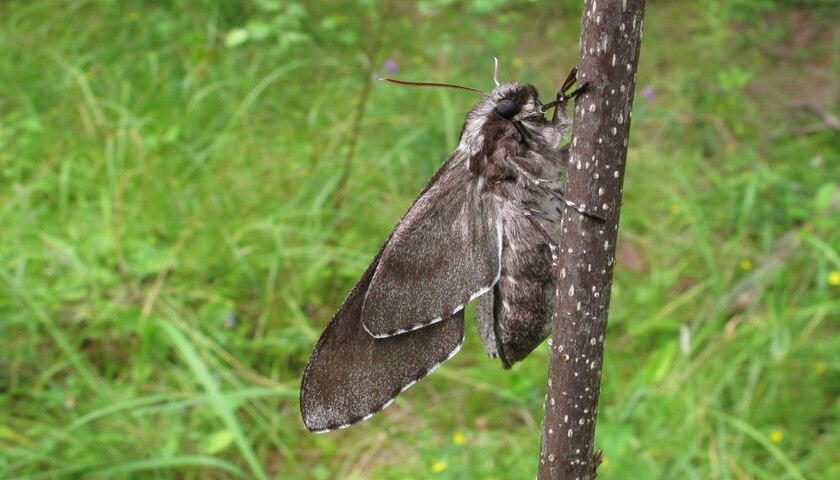
Why do pine hawk moth Sphinx pinastri threaten conifers?

The pine hawk moth, Lat: Sphinx pinastri, is a butterfly of the hawk family that is a pest of pine forests of the European continent, Asia, North Africa and North America. In recent years, this moth is increasingly settled in pine forests of Ukraine. The pest insect feeds on needles, so its activity can cause […]

December 29, 2023

The pine moth is a dangerous pest of coniferous plants

The pine moth (Panolis flammea) is a species of butterfly in the moth family (Noctuidae) that inhabits pine forests in Europe. This pest can cause significant loss of coniferous plants, particularly pines, by eating its needles, branches and bark. In this article we will look at the peculiarities of biology, distribution, symptoms of infestation and […]

December 21, 2023

Nutrient deficiencies in pine trees. What to do

Pine is a coniferous tree that plays an important role in forestry, gardening and landscape design. Pine is quite frost-resistant, dry-tolerant, long-lived, ornamental tree with medicinal properties. However, in order to keep the plant healthy and beautiful, it needs certain nutrients, which it gets from soil, water and air. If a pine tree does not […]

December 14, 2023

Winter care of pine trees and its preparation for the spring growing season

Winter is a time when pines need protection from the negative factors that can occur during the cold season. One of the main factors of such protection is prevention of formation of conditions under which dehydration of plant tissues is possible. Such dehydration can occur even under the condition of sufficient soil moisture, but the […]

December 12, 2023

Make conifers ready for spring and the growing season

Conifers are a beautiful ornament to any garden or park, delighting the eye with their evergreen colour and fragrance. Conifers have many advantages over deciduous plants, such as frost tolerance, dryness, longevity and low maintenance. However, this does not mean that conifers do not require attention and care, especially in preparation for the growing season. […]

Silkworm caterpillar

December 8, 2023

Pine silkworm Dendrolimus pini. Interesting facts

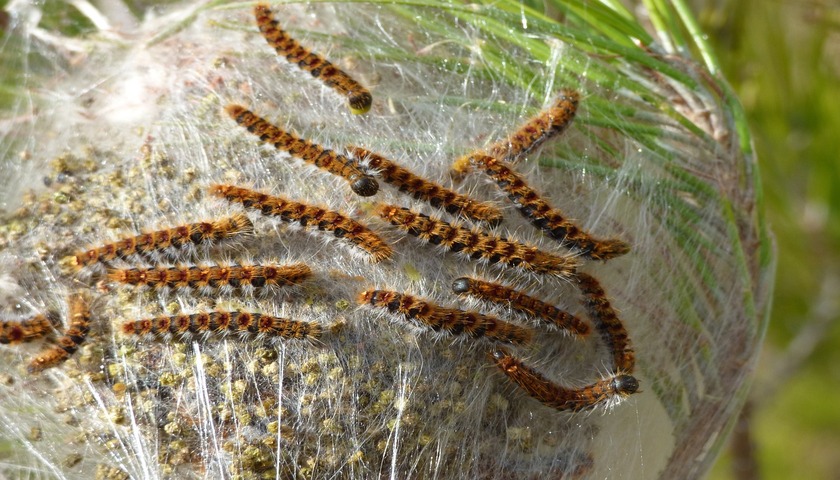
The pine silkworm Dendrolimus pini is a nocturnal butterfly that belongs to the family Lasiocampidae. This insect is one of the most widespread and dangerous pine pests in Ukraine and other countries.The pine silkworm can cause significant damage to forestry as it damages needles, reduces wood productivity and quality, and promotes the development of other […]

December 6, 2023

The red pine sawfly Neodiprion sertifer. Consequences for pine trees

 The red pine sawfly Neodiprion sertifer is an insect from the group of sawfly that feeds on pine needles. This insect is one of the most widespread and dangerous pine pests in Ukraine and other countries. The activity of the red pine sawfly can lead to significant losses for forestry, as it damages needles, reduces […]

Ophiostoma fungi

December 5, 2023

Ophiostoma fungi and the bark beetles that transfer it

The Ophiostomatales are a group of fungi that cause diseases in trees, animals and humans. Ophiostomatal fungi belong to the type Ascomycota, class Sordariomycetes, order Ophiostomatales. A characteristic feature of ophiostomal fungi is the presence of special structures – ophiostomes, which are narrow tubes through which the fungal spores pass. Ophiostoma fungi can be saprotrophs, […]

December 2, 2023

Melampsora pinitorqua Rostr. Symptoms and prevention

Melampsora pinitorqua Rostr it is a fungal disease of pine trees caused by the fungus Melampsora populnea. The fungus has two types of plants on which it develops and multiplies: pine, aspen or poplar. The disease has this name because it bends the branches of the tree. On aspen, the fungus causes white or pink […]

November 30, 2023

How to identify pine resin canker or gray mould?

Pine resin canker is a fungal disease that affects the trunks and branches of pine trees, causing wounds that leak resin. This disease can lead to weakening, deformation and death of the tree. In this article, we will describe the first symptoms of pine resin canker and how to spot it. What is pine resin […]

November 29, 2023

Rust of pine and spruce: What should you know?

Rust is one of the most common and dangerous fungal diseases of conifers, which can lead to the drying out and death of plants. Rust affects various types of conifers, but is particularly common on pine and spruce. In this article, we will talk about the causes and symptoms of rust on pine and spruce. […]

November 28, 2023

Schütte is a disease of conifers: Varieties and signs

Conifers are an indispensable element of landscape design that creates an atmosphere of comfort, freshness and beauty. However, conifers also need careful maintenance and protection from various diseases that can worsen their appearance. One of the most common and dangerous diseases of conifers is shute, a group of fungal diseases that cause the needles to […]

The top bark beetle (Latin Ips acuminatus)

November 24, 2023

Ips acuminatus & Ips typographus.How to spot it in time?

Bark beetles are a group of insects that belong to the family Curculionidae and the subfamily Scolytinae. These insects feed on the bark and wood of conifers, especially pine and spruce. Bark beetles can cause serious damage to forest plantations, causing tree dieback and death. In this article, you will learn about two of the […]

Lat. Hylobius abietis

November 21, 2023

Insect pests of pines: how to identify them?

Pines are beautiful and useful trees that are a feature of our forests, parks and gardens. However, pines are also attractive to many insect pests that can cause serious damage. In this article, we will talk about the most common insect pests of pines and how to easily identify them to protect the trees in […]

November 15, 2023

Autumn garden care: What is worth knowing?

  Autumn is the time when the garden needs special attention and care. The autumn planting season will help prepare plants for winter, improve soil conditions, prevent diseases and pests, and ensure a good harvest for the following year. In this article, we will tell you about the main autumn garden work that you should […]

Pine ophiostomosis

July 19, 2023

Pine ophiostomosis, what to do?

Pine ophiostomosis is caused by fungi of the genera Ophiostoma, Ceratocystis and Grosmannia. The wood on the sections of the plant has a bluish color. By the nature of the color, it is possible to determine the route of infection. For example, if the upper sections of the trunk are more colored than the lower […]

Pine fusarium

July 18, 2023

Pine fusarium

Pine fusarium, also known as tracheomycosis, is one of the most dangerous pine diseases caused by a fungus of the genus Fusarium. This disease can affect all types of pine, as well as larch, fir and spruce. Symptoms of Fusarium wilt include wilting and dying of young growth. Stems change color, acquire purple or blue […]

May 27, 2023

Wilting of young shoots of spruce (Sirococcus)

Wilting of young shoots of spruce, caused by fungi of the genus Sirococcus, is a serious problem for many types of coniferous plants, such as spruce, fir and almost all types of pine. This disease can cause significant damage in forest plantations and gardens. The pathogen attacks the young growth of conifers, causing damage to […]

May 27, 2023

Prevention of thuja diseases in the spring

Prevention of thuja diseases in the spring is an important aspect of caring for these plants. Thuja is a popular evergreen that can be prone to some diseases, especially in conditions of humidity and poor ventilation. Here are some tips for preventing thuja diseases in the spring: Rehabilitation after winter: After winter, arborvitae may need […]

сосны

April 26, 2023

Spring care of pine trees: importance and benefits for plants

Spring is a time of renewal and growth of many plants, including Scots pine. When the snow melts and the temperature rises, the pines begin to wake up from their winter sleep and prepare for the new season. This is a critical time for the tree, as pine care actions taken at this time can […]

February 22, 2023

Lawn: fungal diseases

Fungal lawn diseases can cause many problems, such as the appearance, health and longevity of your lawn. Here are a few types of fungal diseases that can occur on a lawn: Gray Rot: This is one of the most common fungal lawn diseases. It is caused by a fungus that grows in the humus layer […]

Oak wilt syndrome, or dry top disease, is caused by the fungi Phytophthora ramorum and Phytophthora kernoviae and is a serious disease

February 18, 2023

Oak wilt syndrome, or dry top disease

Oak wilt syndrome, or dry top disease, is caused by the fungi Phytophthora ramorum and Phytophthora kernoviae and is a serious disease that can lead to massive dieback of oaks. These fungi are known for their ability to cause disease in a variety of plant species, but oaks are particularly vulnerable. These fungi are usually […]

Juniper Rust: Understanding the Threat to Juniper Trees

February 10, 2023

Juniper Rust: Understanding the Threat to Juniper Trees

Juniper is a popular type of evergreen tree commonly found in many regions of the world. They are known for their hardiness and versatility, making them a popular choice for landscaping and decorative purposes. However, in recent years, a new threat has appeared that causes concern for those who grow and care for juniper -Juniper […]