
Green Clinic field note
Melampsora pinitorqua Rostr. Symptoms and prevention
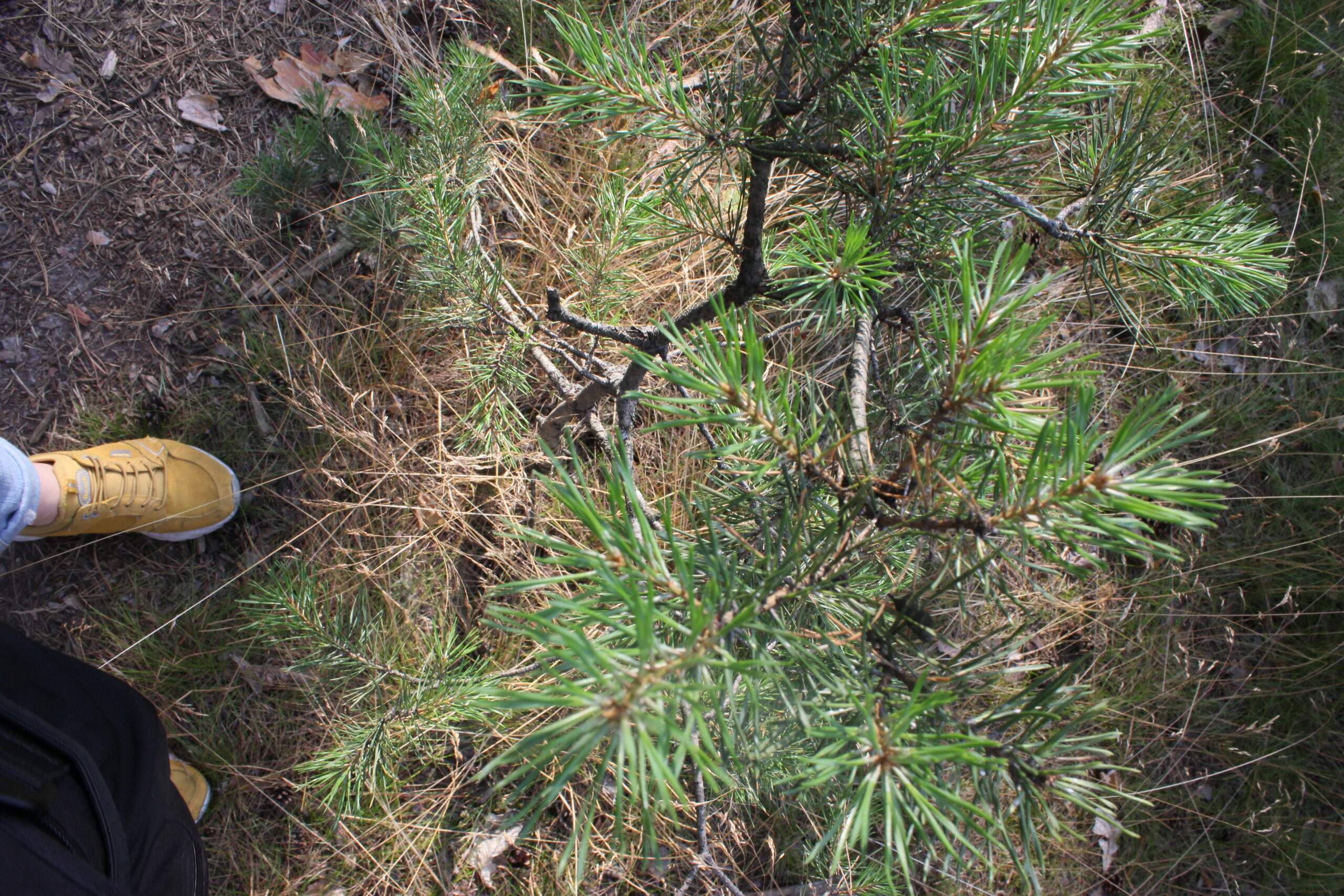
Melampsora pinitorqua Rostr it is a fungal disease of pine trees caused by the fungus Melampsora populnea. The fungus has two types of plants on which it develops and multiplies: pine, aspen or poplar. The disease has this name because it bends the branches of the tree.
On aspen, the fungus causes white or pink blisters on the leaves, which also contain spores. The spores are transferred from aspen or poplar to pine and vice versa in spring or summer. Melampsora pinitorqua Rostr can cause the needles to dry out and fall off, shoots to become bent, and young trees to die.
What are the symptoms of Melampsora pinitorqua Rostr.?
The symptoms of Melampsora pinitorqua Rostr depend on the stage of development of the fungus and the age of the pine tree. On aspen or poplar, white or pink blisters containing spores appear on the leaves in summer. If the aspen or poplar is severely affected, the leaves turn yellow and fall off. This disease is particularly damaging to young pines, causing deformation of the trunk and the top of the tree to die.
In Ukraine, signs of the Melampsora pinitorqua Rostr have been found in Lviv, Kyiv, Ivano-Frankivsk, Poltava, Zhytomyr, Zakarpattia regions and the Autonomous Republic of Crimea. The Melampsora pinitorqua Rostr is is most common in the forests of Polissya and the forest-steppe.
If a young pine tree is affected by the Melampsora pinitorqua Rostr you can spot it by the following external signs:
– The lateral shoots are severely bent and the apical shoot dies off altogether;
– On the seedlings of young pine shoots in spring and early summer, elongated orange pads of ecidium appear, protruding from under the torn epidermis of the plant. They look like swellings arranged in a chain.
– In case of severe damage, the needles become bent, yellow and fall off.
– The trunk of the pine tree may develop ecidium in the form of tubercles or scars.
– The growth of the pine stops and after a while the tree dies.
How to prevent and treat the Melampsora pinitorqua Rostr?
To prevent and treat the pine beetle, it is important to apply complex measures that include agronomic and biological methods:
– Agronomic methods. These methods include selecting healthy, resistant pine varieties, maintaining optimal growing conditions, timely pruning and fertilising trees, keeping the garden clean and tidy, identifying and destroying infected trees, avoiding planting pine with aspen or poplar, and destroying fallen aspen and poplar leaves containing fungal spores.
– Biological methods involve the use of biological control agents, namely beneficial organisms that destroy fungi or their spores. For example, entomopathogenic fungi such as Beauveria bassiana, Metarhizium anisopliae, Lecanicillium lecanii can be used to infect and kill the larvae of the Hermes, which is one of the vectors of the pine beetle. You can also use entomophages, such as predatory ticks, bees, ants that feed on the larvae of the Hermes or other insects that spread the fungus spores.
It is worth noting that it is Melampsora pinitorqua Rostr it is a serious problem for pine trees that requires a careful and integrated approach. If you take care of your pines, monitor their condition, detect and eliminate Melampsora pinitorqua Rostr in time, and our team of specialists will always offer the most effective solution to maintain the health and beauty of pines for years or even decades.