
Green Clinic field note
How to prepare a garden for the winter cold?
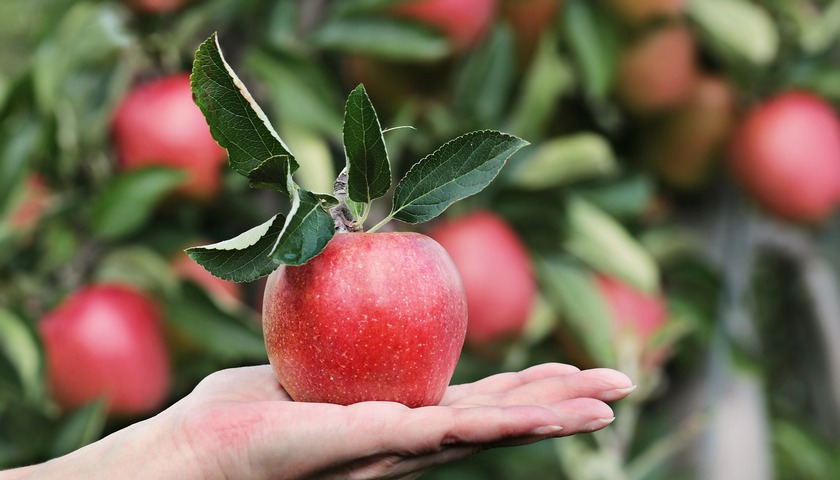
A garden is not just a source of fresh and tasty fruits, berries, and beautiful flowers, but also a place for relaxation, comfort, and beauty. Therefore, every gardener wants their garden to be healthy, beautiful and fruitful at any time of the year. However, in winter, the garden is exposed to various negative influences, such as frost, snow, wind, sun, pests and diseases.
These factors can cause serious damage to plants if not properly cared for. In this article, we’ll show you how to take care of your garden in winter to preserve its vitality, beauty and productivity.
Trees are the basis of the garden, so their health and well-being largely depend on how you care for them in winter. Here are some tips to help you protect your trees from adverse conditions:
In winter, observe the condition of the trees, especially young and short trees. If snow has accumulated on them, gently shake it off the branches to avoid breaking them. If frost or ice has formed on the trees, do not try to knock it off, as this can damage the bark and buds. It is better to wait until it melts on its own.
How to prune fruit trees correctly?
Before the winter sets in, carry out autumn pruning of trees, removing weak, diseased, damaged and dry branches. This will improve the ventilation and lighting of the crown, prevent the development of fungal and bacterial infections, and reduce the load on the tree during snowfalls.
In autumn, it is also necessary to feed the trees by applying organic fertilisers to the soil. This will increase the immunity of plants, strengthen them, and make them more resistant to cold weather.
Pruning each fruit tree has its own characteristics. Let’s focus on the general recommendations regarding this process:
Carry out the pruning in dry, relatively warm weather, use secateurs, and lubricate the cut points with garden varnish. Dry, diseased old branches should be pruned first, but pruning should be done carefully so as not to damage the tree. You can cut branches growing inside the crown, often they are unnaturally curved and damaged. If you see branches infected with the mistletoe parasite, it is important not to allow the mistletoe to flower. Mistletoe is carried by birds that peck at its berries and then spread it to healthy trees with their droppings.
How to protect trees from solar damage and pests
To protect trees from solar burns that can occur on clear winter days, wrap their trunks and lower branches with white cloth, paper or agrofibre. This will reflect excess light and heat and prevent temperature fluctuations.
To protect trees from pests and diseases that may become more active in winter, treat the trees with special preparations such as Bordeaux liquid, copper sulphate, urea or garden varnish. This way you will destroy fungi, bacteria, insects and rodents that can damage the trees.
How to take care of the bushes?
Shrubs also need winter care, especially if they are not hardy or flowering. Here’s what you can do for them:
Before winter, prune the bushes by removing dry, diseased, and damaged branches. This will improve the shape of the bush, accelerate its growth and flowering in the next season. Fertilise the bushes with organic fertiliser, which will strengthen their roots and branches and increase their resistance to frost and disease.
How to cover the bushes in winter?
Cover the bushes with fabric, agrofibre, straw, leaves or coniferous branches to protect them from frost, snow, wind and sun. Cover not only the top of the shrub, but also its base, where the roots are located. Do not forget to check the condition of the covering regularly and ventilate it on days when there is no frost.
Another way to cover trees in winter is to mulch them with fallen leaves. Birch and oak leaves are best, but make sure they are dry.
Support shrubs with wooden or metal rods to prevent them from bending or breaking under the weight of the snow. This is especially important for tall and flexible shrubs such as honeysuckle, lilac, barberry or viburnum. Roses, hydrangeas, boxwood, and various types of clematis also need covering.

As you can see, preparing a garden for the winter cold requires attention, time and some effort, but if everything is done correctly, on time, the garden will not only be beautiful and blooming next season, but will also provide a generous harvest of delicious fruits.
In order to get even more effective recommendations for the protection and prevention of plant diseases, order a consultation with the specialists of the Green Clinic Centre for Ecosystem Phytopathology
You can order a consultation with a phytopathologist by following the link
Please call +380632851405