
Green Clinic field note
Why Tree Bark Peels: Normal Shedding or Damage?
Peeling bark can be natural for pine, birch, maple and sycamore, but exposed wood, decay or insects require investigation.
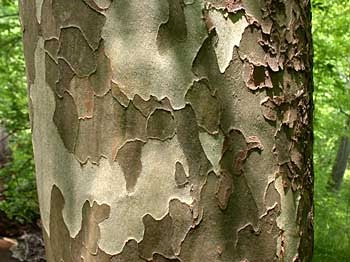
Peeling bark is normal for some pines, birches, maples and sycamores, but it can also expose injury caused by heat, frost, mechanical damage, insects, cankers or decay. The condition of the tissue beneath the loose bark is the most useful first clue.
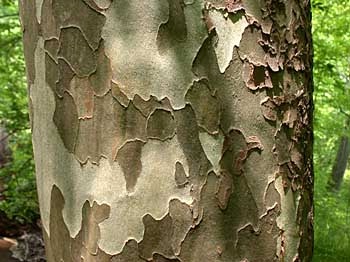
When bark shedding may be normal
As trunks expand, older outer bark cracks and falls away. Species differ greatly: Scots pine, birch, silver maple, sycamore and other trees may shed bark in conspicuous plates or strips while healthy tissue forms underneath.
Warning signs beneath peeling bark
- bare wood without a healthy new bark layer;
- dark, wet, soft or sunken tissue;
- fungal fruiting bodies or persistent moisture;
- galleries, larvae, holes or boring dust;
- cracks extending into the wood;
- dieback in the crown above the affected trunk sector.
Is bark coming away from damaged tissue? Send the whole tree, the affected trunk sector, the root flare and a close-up beneath a naturally loose edge.
Environmental and mechanical causes
Sunscald, rapid temperature change, severe frost, impacts, mower damage and constricting ties can kill sections of bark. Winter wrapping left in place during warm weather may retain moisture and shelter insects.
What not to do
Do not strip firmly attached bark, fill a cavity or coat the wound before the defect is assessed. These actions can remove living tissue, trap moisture or hide evidence. Photograph the area and note how quickly it changes.
A professional tree assessment relates the trunk defect to crown and root condition. Tomography may be useful where internal decay is suspected; see our tree tomography service.
Peeling bark is accompanied by crown decline?
The combination is more significant than bark appearance alone and should be assessed promptly.