
Green Clinic field note
Fungal Diseases of Arborvitae (Thuja): Symptoms and Diagnosis
How to distinguish fungal diseases of arborvitae from winter injury, root stress and other causes of browning—and what to inspect before treatment.
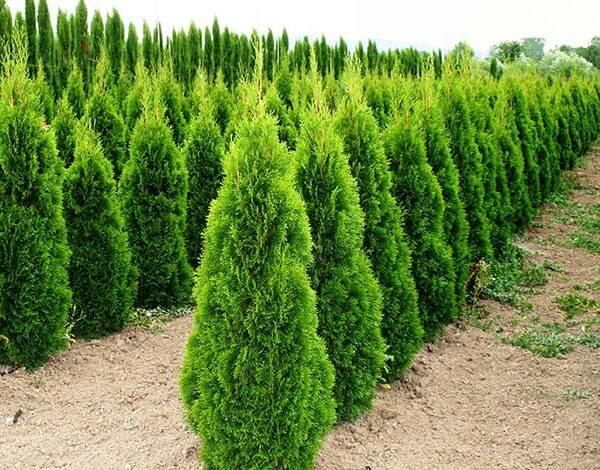
Brown or blackened foliage on arborvitae does not automatically mean a fungal disease. Drought, winter injury, waterlogged roots, deep planting, insects and mechanical damage can produce similar symptoms. The useful first step is to map where the damage begins, inspect the trunk base and root zone, and determine whether living tissue is continuing to decline.

Why arborvitae turns brown
Arborvitae is often described as resistant, yet stressed plants are more vulnerable to opportunistic pathogens. Restricted roots, prolonged saturation, drought, winter desiccation, dense planting and repeated shearing may weaken tissues before a fungus becomes visible. This is why treatment aimed only at the foliage may fail when the primary problem is below ground.
Record the pattern: one branch, lower crown, exposed side, scattered shoot tips or the whole plant. Also note when symptoms began and whether neighbouring plants show the same pattern. These details help separate environmental injury from a contagious process.
Unsure whether the browning is fungal? Send an overall photograph, the trunk base and clear close-ups of the boundary between healthy and affected foliage. This helps identify the most useful next diagnostic step.
Root and collar diseases
Phytophthora root rot
Phytophthora species can affect arborvitae growing in poorly drained or persistently saturated soil. The crown may lose colour, growth slows and lower sections can decline. Fine roots may be reduced and root tissues discoloured, but these signs need to be interpreted carefully because other root problems can look similar.
Check irrigation frequency, drainage, recent grading and whether the root flare has been buried. Fungicide use without correcting water and oxygen conditions is unlikely to solve the primary problem.
Armillaria root rot
Armillaria may colonise roots and the lower trunk, particularly in stressed plants or sites containing infected woody material. Possible signs include gradual canopy thinning, branch death, white fungal fans beneath bark, dark cord-like rhizomorphs and clusters of honey-coloured mushrooms near the base. Not every mushroom beside a plant is Armillaria, so identification matters.
Advanced root decay can affect stability. Avoid excavating large roots or making treatment decisions from photographs alone when the trunk base is decayed or the plant has begun to lean.
Foliage and shoot blights

Pestalotiopsis tip blight
Pestalotiopsis is frequently associated with foliage already weakened by winter injury, drought, crowding, transplant stress or mechanical damage. Browning often begins at shoot tips and progresses inward; tiny dark fruiting bodies may be visible in dead tissue. Its presence does not prove that it was the original cause of decline.
Phyllosticta needle blight
Phyllosticta can cause tan or brown shoot tips and small dark fruiting bodies. It is often considered a relatively weak pathogen of stressed foliage. Before applying a fungicide, establish whether symptoms are actively progressing and whether environmental stress is still present.
Didymascella leaf blight
This disease may begin as small yellow areas that later turn brown. Young plants and dense, shaded plantings with limited air movement may be affected more severely. Laboratory confirmation may be needed because insect feeding and other blights can produce overlapping signs.

Snow mould and damage after winter
Grey-white growth may appear on foliage that remained compressed beneath snow. However, spring browning can also reflect winter desiccation, salt, sun exposure or broken branches. Observe whether healthy buds and new shoots resume growth before labelling the entire plant diseased.

Symptom checklist
| Pattern | Possible explanation | What to inspect |
|---|---|---|
| Lower crown declines while soil remains wet | Root stress or root rot | Drainage, irrigation, root flare and fine roots |
| Individual shoot tips turn tan to dark brown | Tip blight, winter injury or mechanical damage | Progression, fruiting bodies and recent weather |
| One exposed side bronzes after winter | Winter desiccation or sun injury | Exposure, wind and bud viability |
| White fans beneath bark or mushrooms at the base | Possible Armillaria root rot | Root collar, decay and plant stability |
| Several neighbouring plants decline | Shared site stress or spreading pathogen | Water movement, planting depth and symptom sequence |
Is the affected area expanding? Include the date symptoms began, watering schedule and recent changes around the plants. This context is essential when deciding whether laboratory or on-site diagnosis is needed.
What to do before diagnosis
- Photograph the whole plant, the affected sector, healthy-to-damaged boundary and trunk base.
- Check soil moisture at several points rather than only beside the trunk.
- Note irrigation changes, construction, soil addition, transplanting and severe pruning.
- Disinfect pruning tools and prune dead material during dry weather when removal is appropriate.
- Do not pile mulch or soil against the trunk.
- Keep a representative fresh sample if laboratory examination may be required.
What not to do at random
Do not assume every brown branch requires a fungicide. Do not combine several pesticides without identifying a target and effective timing. More irrigation can worsen root oxygen deficiency, while heavy fertilisation may add stress without correcting damaged roots. Where decay or leaning raises a stability concern, avoid disturbing the root zone before professional assessment.
When professional assessment is useful
Arrange a closer assessment when browning progresses quickly, several plants decline, the trunk base is buried or decayed, resin or dark lesions appear, mushrooms grow at the collar, or previous treatments have failed. A proper plant diagnosis combines symptom pattern, site conditions and plant history; microscopy or laboratory tests may be added when necessary. See also our conifer treatment service.
Is your arborvitae continuing to decline?
Send photographs of the whole plant, trunk base and representative symptoms, together with a short site history. We will help determine whether monitoring, corrected care or an on-site examination is the appropriate next step.
Frequently asked questions
Does brown arborvitae always have a fungal disease?
No. Winter injury, drought, excessive water, salt, insects and root damage can produce similar browning.
Should every affected plant receive a fungicide?
No. The likely pathogen, susceptible tissue and effective application window must be established. Site problems also need correction.
Can photographs confirm root rot?
Photographs can reveal warning signs but usually cannot confirm the causal organism or the extent of root decay.
Which images are most useful?
Provide the whole planting, both sides of the plant, the trunk base, affected shoot tips and the boundary between healthy and damaged tissue.