
Green Clinic field note
Black Coating on Pine, Thuja and Juniper Needles
A black coating on conifer needles is often sooty mould growing on honeydew produced by sap-feeding insects.
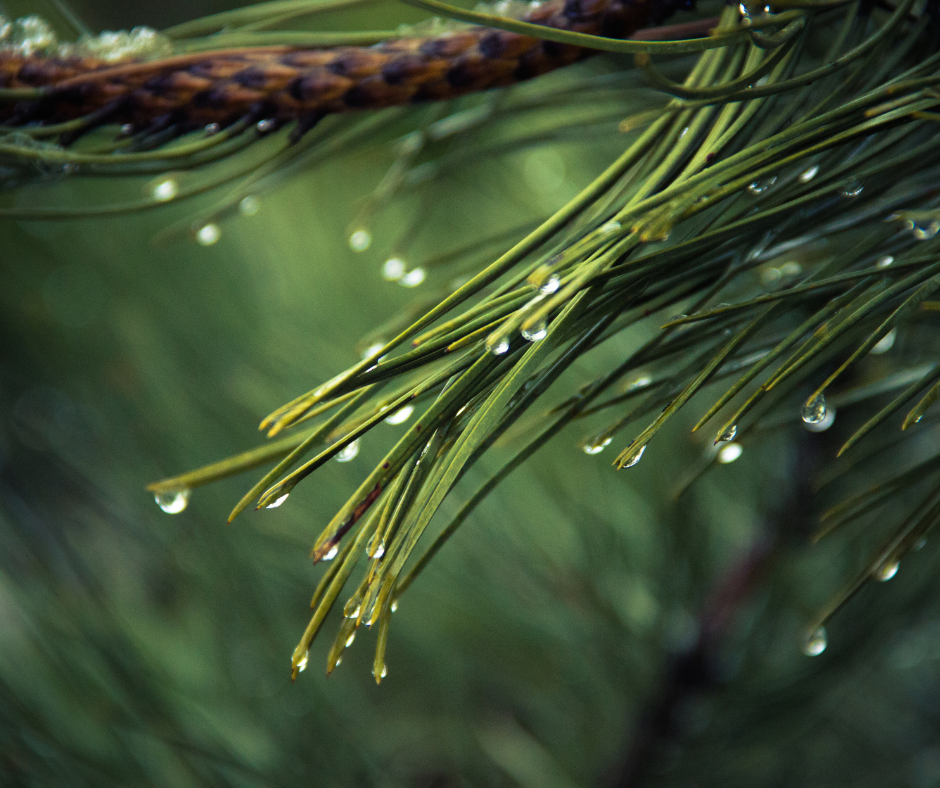
A dark, soot-like coating on pine, thuja or juniper is often sooty mould growing on sticky honeydew produced by sap-feeding insects. The coating is a visible consequence; effective management depends on identifying scale insects, aphids, adelgids, whiteflies or another source of honeydew.
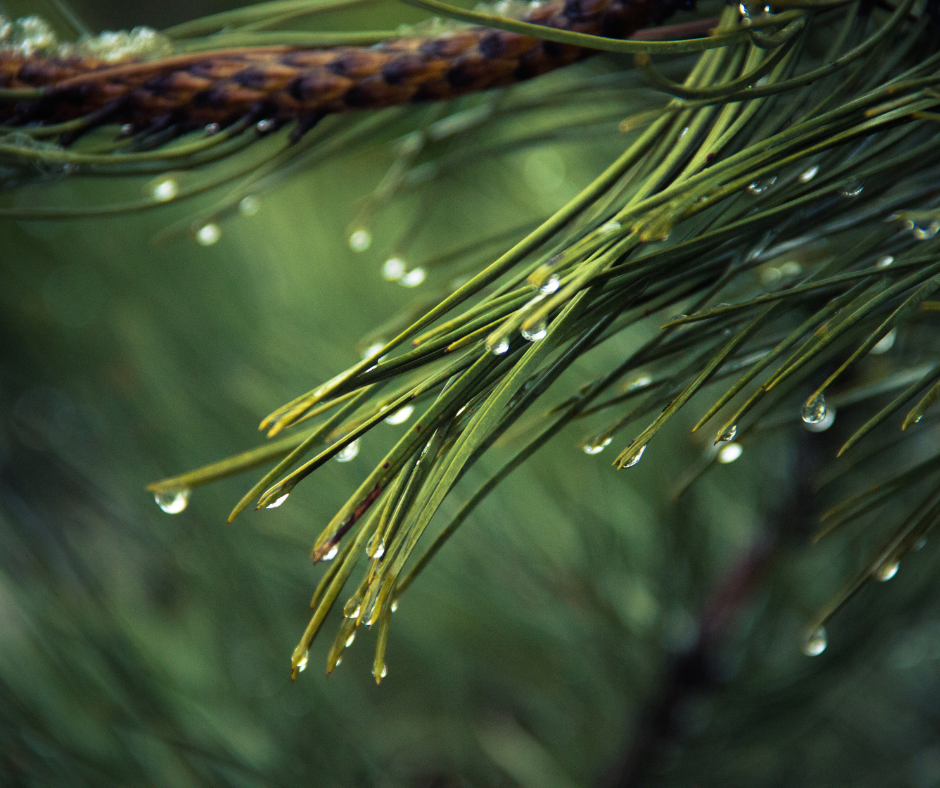
Why the black coating appears
Sooty mould fungi grow on sugary deposits rather than directly invading healthy needle tissue. Dense planting, shade, poor airflow and prolonged humidity can help the coating persist, but the main trigger is often honeydew from insects feeding on the plant.
What to inspect
- sticky needles or shoots;
- small fixed scales on stems and needle bases;
- white waxy material associated with adelgids;
- aphids or other insects on young growth;
- ants moving repeatedly along branches;
- blackening concentrated beneath an infested branch or a plant growing above.
Found a black sticky coating? Send the full plant and close photographs of both sides of the affected shoots before washing or spraying.
Why washing alone is not enough
Cleaning may improve appearance, but the coating can return while honeydew production continues. A strong spray can also damage delicate growth or spread pests. Treatment should target the correctly identified insect at a susceptible stage and account for beneficial organisms and the surrounding site.
What to do
- document the insects and deposits before cleaning;
- check neighbouring plants and branches above the conifer;
- reduce excessive crowding where this can be done safely;
- avoid repeated broad-spectrum treatments without identifying the pest;
- monitor new growth after the source of honeydew is controlled.
An integrated plant assessment distinguishes sooty mould from needle diseases and identifies the insect involved. Where pine is affected, the next step can be incorporated into a broader pine treatment plan.
Is the coating spreading to new growth?
Early identification of the honeydew-producing pest makes control more precise and helps prevent repeated blackening.