
Green Clinic field note
Pine fusarium
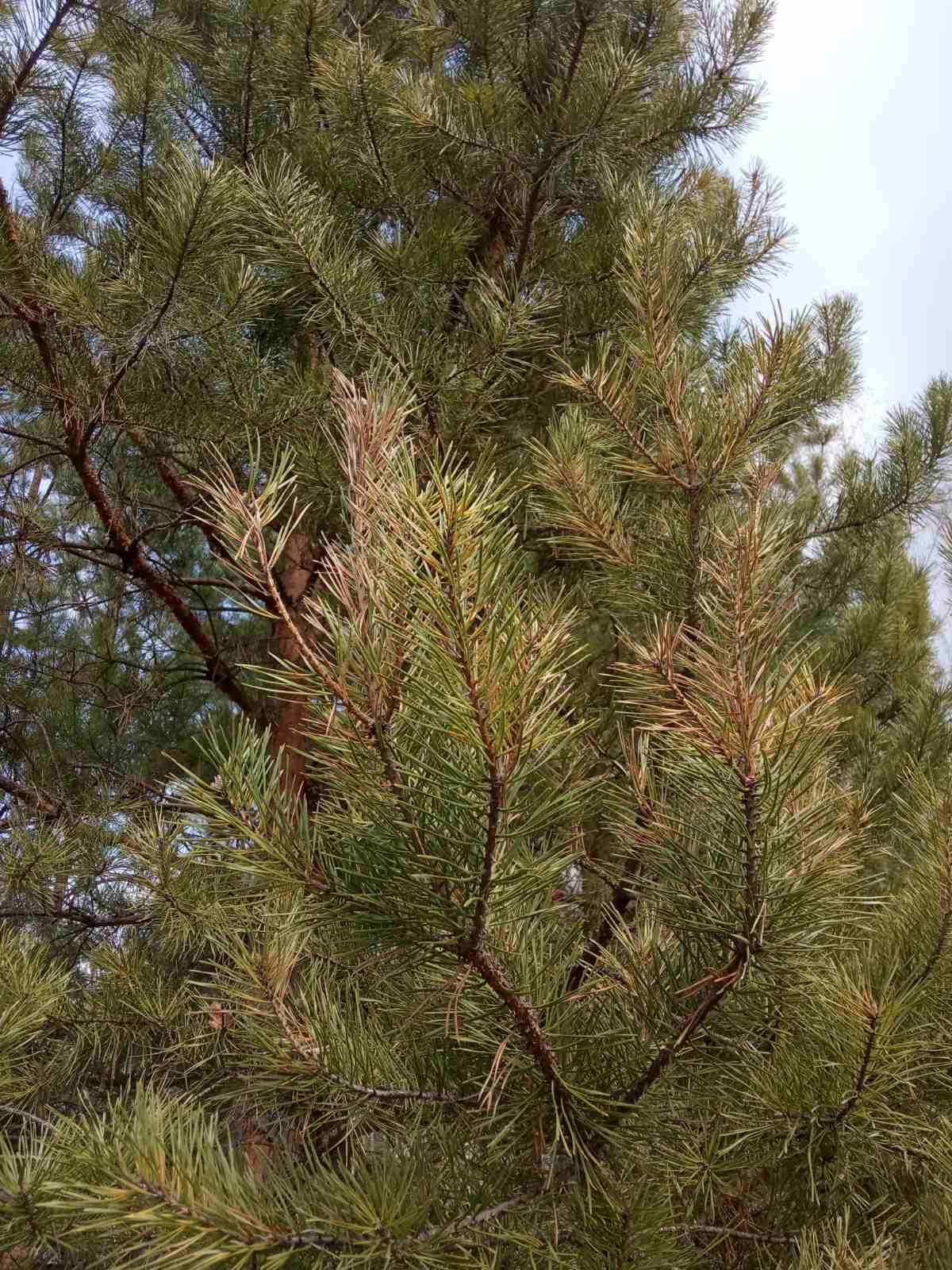
Pine fusarium, also known as tracheomycosis, is one of the most dangerous pine diseases caused by a fungus of the genus Fusarium. This disease can affect all types of pine, as well as larch, fir and spruce.
Symptoms of Fusarium wilt include wilting and dying of young growth. Stems change color, acquire purple or blue shades. The needles can change their color to red, brown or pale, yellow or yellow-white, and begin to die from the bottom up along the affected shoots. Repeated dieback of branch tips due to repeated infections can cause significant dieback of the tree crown. Cones on infected branches may also be affected, failing to reach full size and forming underdeveloped seeds.
Fusarium is spread by spores that are blown by wind or carried by fog and rain, entering trees or saplings through wounds caused by hail, wind, frost or pruning of branches. In addition, Fusarium can enter the plant through the roots. The infection can develop within 2-3 years after the damage.
To prevent the spread of fusariosis, it is recommended to follow the following measures:
Maintain optimal soil moisture.
Prune trees properly.
Regularly check trees for signs of Fusarium wilt in order to respond and overcome the disease in time.
At the slightest suspicion of plant fusarium infection, you should immediately contact specialists.