
Pine late blight: Forest protection
Pine forests are vital ecosystems that support biodiversity, livelihoods and perform important functions: Carbon sequestration, water regulation and soil stabilisation. Pine forests are valuable components of many temperate ecosystems around the world. One of the most serious threats to forests in Ukraine and around the world is late pine blight. This dangerous disease has devastating consequences for forest health and biodiversity. An ecosystem-based approach to mitigating the effects of pine blight is crucial to the conservation of these vital natural resources.
The article discusses the detection and diagnostic methods of pine blight, its impact on plants and the forest ecosystem, and effective prevention of this disease. Early proactive measures can help protect pine forests and preserve the ecological balance they maintain.
1. Recognition and diagnosis of pine blight
Pine blight, caused by the pathogen Phytophthora cinnamomi, affects various pine species. Early recognition and accurate diagnosis are crucial to prevent the disease from spreading and minimise its impact on forests.
The initial symptoms of the disease are hardly noticeable, making early detection difficult. However, there are several key signs to look out for:
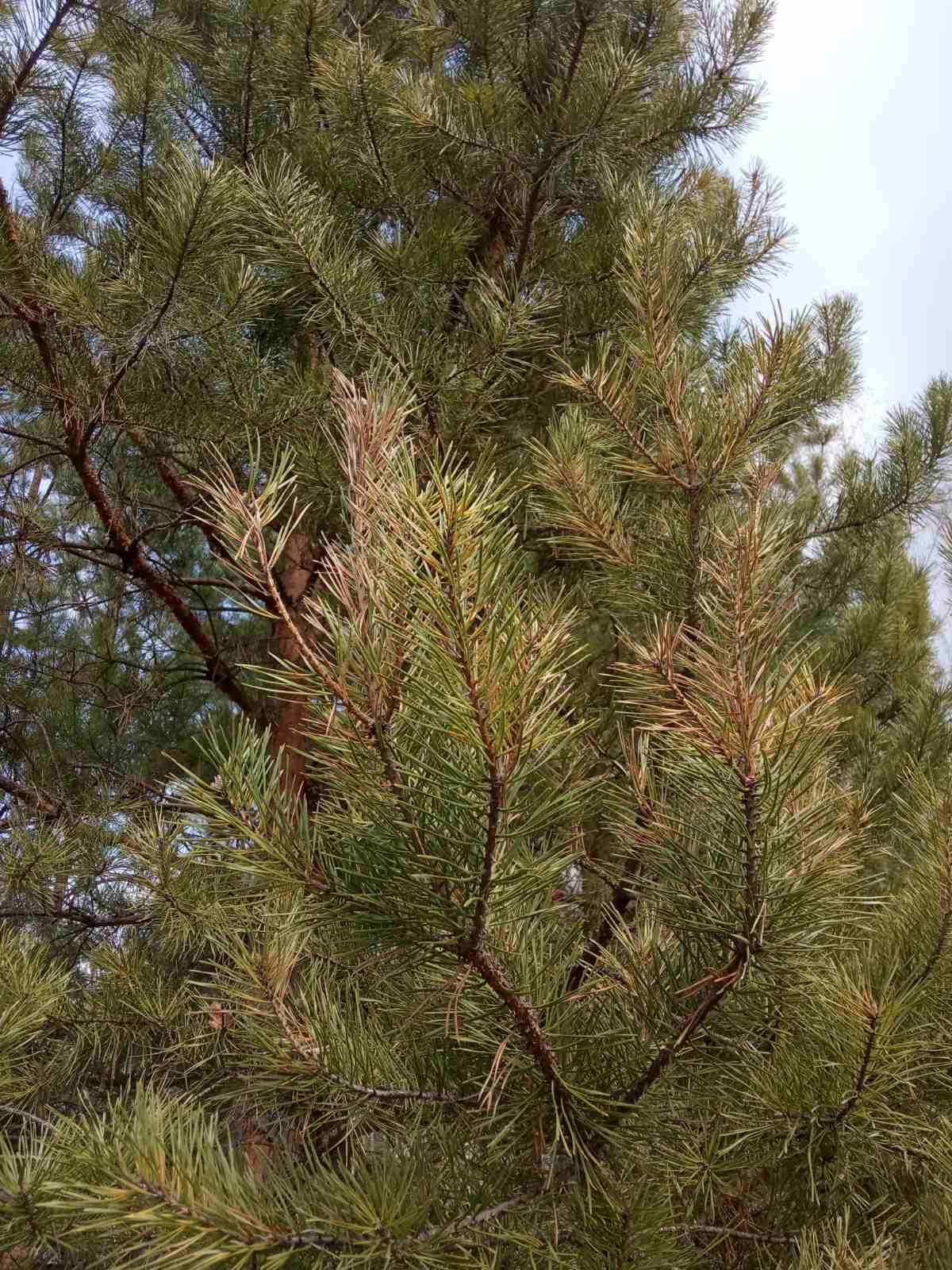
Discolouration of the needles: One of the first signs of pine needle blight is yellowing or browning of the needles, starting at the tips and moving towards the middle of the surface. This discolouration often causes the needles to fall prematurely.
Formation of tinder fungi: Sores, or deep, necrotic lesions, can form on the branches and trunk of infected plants. These cankers can encircle the branches, causing dieback and potentially leading to the death of the tree.
Excessive resin secretion: Infected plants may experience excessive resin secretion, often appearing as sticky spots on the bark. This resin flow is a defensive reaction to the invading pathogen.
Root rot: Phytophthora cinnamomi infects the roots, which leads to root rot. Plants affected by root rot grow slowly, wilt, and their resistance to pests and overall vitality is significantly reduced.
Tree loss: In the later stages, pine blight can cause massive tree mortality, resulting in large voids in the forest.

pine blight
Diagnostic methods
Accurate diagnosis of late blight involves a combination of visual inspection by our specialists directly on the plot. This is followed by laboratory tests using molecular methods:
Visual inspection: Experts from the Green Clinic Centre of Ecosystem Phytopathology conduct a thorough visual inspection to identify trees with symptoms and assess the extent of the infection.
Laboratory testing: Samples from infected trees, including needles, bark and roots, are analysed in laboratories to confirm the presence of Phytophthora cinnamomi. Microscopic examination is commonly used.
Molecular methods: Modern molecular techniques, including polymerase chain reaction (PCR) and DNA sequencing, provide accurate identification of the pathogen. These methods are essential for confirming the diagnosis and understanding the genetic diversity of the pathogen.
2. The impact of late blight on pine trees and the forest ecosystem
Phytophthora cinnamomi is a soil-borne pathogen, a mould that thrives in moist, warm conditions. Several factors contribute to the emergence and spread of the disease:
Environmental conditions: High soil moisture and warm temperatures create favourable conditions for the pathogen to grow. Poor drainage and waterlogged soils increase the risk of infection.
Spread of the pathogen: Phytophthora cinnamomi produces motile spores called zoospores that can float in groundwater and reach the roots of the host plant. The pathogen can also spread through contaminated soil, water and plant material.
Host plant susceptibility: Certain pine species are more susceptible to late blight than others. The susceptibility to the disease is influenced by genetic factors, plant age and general health.
Several factors contribute to the spread of late blight in the forest:
Soil and water movement: The pathogen can move through groundwater, spreading from infected to healthy trees. Heavy rains and irrigation can increase the spread.
Human activities, such as logging, building, moving contaminated soil and plant materials, can inadvertently spread the pathogen over long distances.
Wild biodiversity: insects and mammals can carry spores on their bodies, contributing to the spread of the disease.
The forest ecosystem is affected by the blight because:
The loss of trees affects the structure and composition of the forest; the death of pine trees can lead to a decrease in biodiversity, as many species of plants, animals and microorganisms depend on pine forests for habitat and food.
Loss of forest cover increases the risk of soil erosion, especially on slopes. This can lead to a deterioration in soil quality and negatively impact water quality in nearby streams and rivers.
Healthy forests play a crucial role in absorbing carbon dioxide from the atmosphere. The loss of trees due to pine beetle disease reduces the forest’s ability to store carbon, contributing to climate change.
Economic impact: Pine forests are valuable for timber production, recreation and tourism. The decline of these forests due to pine blight can have significant economic impacts on local communities.
3. Prevention of late blight
Regular monitoring and early recognition of symptoms are crucial to prevent the spread of the disease. If you notice any signs of late blight, do not hesitate to contact the specialists of the Green Clinic Ecosystem Phytopathology Centre as soon as possible for timely diagnosis and plant care.
Expert diagnostics: The Green Clinic’s team of experts uses innovative diagnostic methods to accurately identify pine late blight.
Pine blight is a significant threat to pine forests, with significant environmental, economic and social impacts. An ecosystem approach is essential to maintain the health and resilience of these ecosystems.
Together, we can protect our pine forests and ensure their continued viability, as they bring enormous benefits to our planet. For more information and to schedule a consultation, please contact us at +380632851405
Your active actions can make a significant influence on the protection of our forests from pine blight!






Related Posts