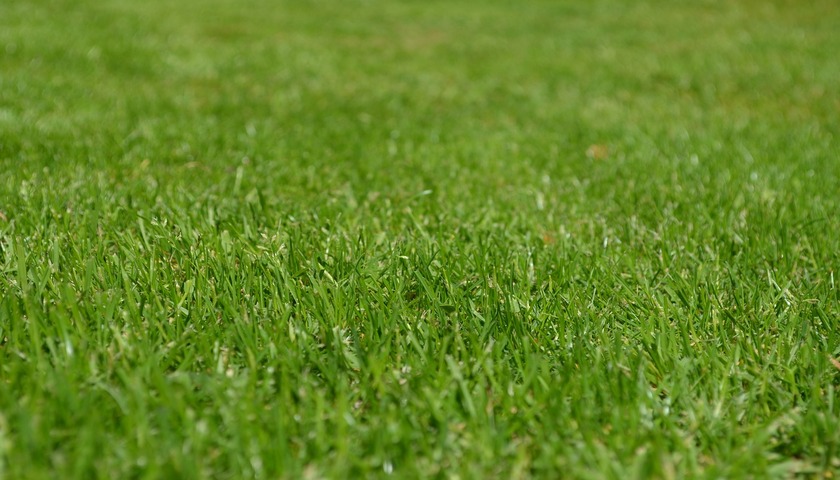
Snow mold on the lawn?
When the lawn is still covered with a dazzling white layer of snow in spring, an invisible enemy can lurk underneath, causing serious damage to your once lush lawn. Snow mold, a common lawn disease, is caused by prolonged snow cover, resulting in stains and damage if not prevented in a timely and effective manner.
Let’s talk about what snow mold is, how to spot it on your lawn, the most common causes, and most importantly, preventive measures to restore the beauty of your lawn, so if you want your lawn to be clean and fresh with the first rays of spring sunshine, this information is for you.
What is snow mold?
Snow mold is a fungal disease of the lawn, usually caused by various types of fungi of the genus Fusarium and Typhula spp. These fungi live in the soil and on plant debris, and can become active under certain conditions. Humidity, temperature and snow cover are particularly favorable for the development of snow mold. Fungi begin to multiply and infect the grass when the soil temperature under the snow rises to +5°C. The snow creates a greenhouse effect, under which the lawn does not breathe, and excessive humidity promotes the spread of fungi. Most often, snow mold appears after the snow melts, when gray or pink spots with an unpleasant touch remain on the lawn.
How to identify snow mold in time?
Snow mold is usually divided into two main types – grey snow mold (Typhula spp.) and pink snow mold (Microdochium nivale or Fusarium nivále).The fungus thrives under snow, especially when the ground is not frozen. Heavy snow, deep snow accumulations and lack of airflow can exacerbate the problem, creating an ideal environment for snow mold growth.
Please note that the common signs of snow mold are:
– The presence of round or oval spots on the lawn with a diameter of 5 to 50 cm, which may combine into larger areas.
– Discolouration of the grass on the spots: from grey to pink, brown, purple or black.
– The presence of a white, pink or brown coating on the grass, consisting of mycelium and fungal spores.
– Wilting, drying, rotting and falling off of the grass in spots.
– The presence of mummified fruits, cones, leaves on the lawn, which are a source of infection.
What are the most common causes of snow mold?
The following factors are particularly favourable for the development of snow mold:
– Long-term frost-free snow cover, which creates a greenhouse effect and increases the temperature of the soil under the snow.
– Insufficient drainage of the lawn, which leads to stagnation of water and increased humidity.
– Acidic soil with a high content of organic matter, which promotes the development of fungi.
– Excessive application of nitrogen fertilisers, which stimulate grass growth but reduce its resistance to disease.
– High mowing of the lawn before winter, which leaves plant residues. These residues are the source of infection.
Preventive measures to avoid snow mold:
Rake and remove: As soon as the snow begins to melt, gently rake the affected areas to allow airflow and expose the grass to sunlight.
Remove debris, straw and dead grass to prevent snow mould from developing.
Aeration of the soil helps reduce compaction, allowing better penetration of air, water and nutrients to the grass roots. Aeration also promotes the breakdown of straw, reducing the conditions conducive to snow mold.
Balanced fertilization: Apply a balanced fertiliser in early spring to promote grass regeneration. Avoid excess nitrogen as it can exacerbate snow mould problems.
Over-seeding: Over-seeding helps to fill in bare or damaged areas, contributing to a denser, healthier lawn. Choose grass varieties that are resistant to snow mould to ensure future resistance.
Fungicide application: If the damage to the lawn is very severe, then you might consider applying a fungicide in late autumn or early spring as a preventative measure.
The best solution to the problem is to contact the specialists of the Green Clinic Ecosystem Phytopathology Centre for timely assistance and support. Don’t hesitate to call us at: +380632851405
Mow the lawn when the grass is dry to prevent the spread of snow mold spores.
Avoid excessive snow accumulation in one area, as this can create a favourable environment for snow mold.
Spread the snow on the ground evenly to promote faster melting.
Ensure that the lawn is adequately drained to minimize excessive moisture, which can encourage snow mold.
Inspect your lawn regularly to identify and address problems in a timely manner.
Monitor weather conditions and take preventative measures when prolonged snow cover is expected.
Defeating snow mold in your lawn requires a combination of proactive measures, timely interventions and regular, careful monitoring of the overall health of your lawn.

Once you understand the causes, identify the signs, and implement effective preventative measures, you can ensure that your lawn survives the winter unscathed and vibrant. Use these methods to transform your lawn into a sustainable, thriving landscape that will inspire beauty and freshness all year round.






Related Posts