
Green Clinic field note
Pine Turning Yellow: A Diagnostic Checklist
A practical checklist for distinguishing normal needle shedding from root stress, disease, pests and nutrient problems.
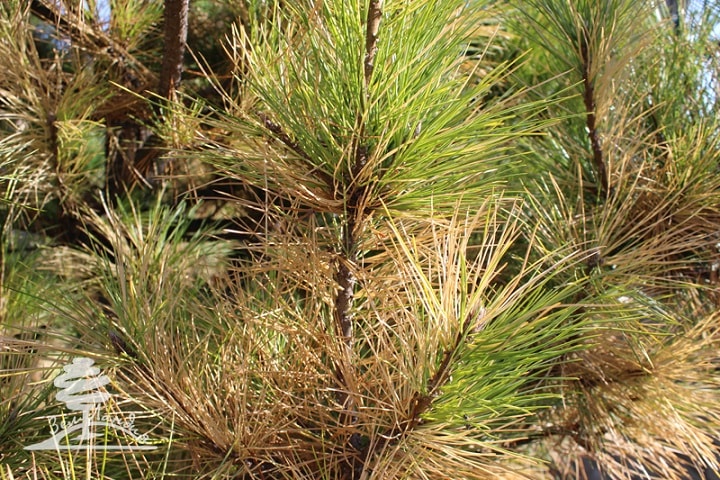
When a pine turns yellow, first check which needles are affected and where the change begins. Older inner needles may be shedding normally, while yellow current growth, a single declining sector or rapid whole-crown change warrants closer assessment.
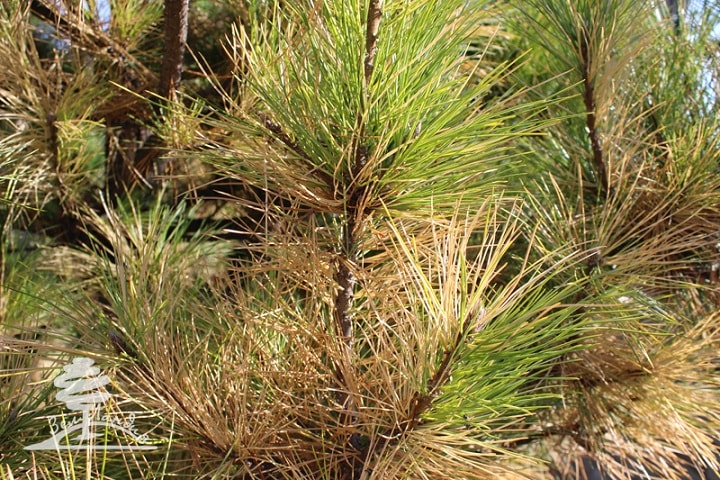
Step 1: distinguish seasonal shedding
Pines replace older needles periodically. Normal shedding usually affects the oldest foliage inside the crown while shoot tips and current growth remain green. It is less likely to be normal when new needles fade, one side deteriorates or symptoms spread rapidly.
Step 2: check the root zone
- feel soil moisture below the surface rather than judging by the top layer;
- look for standing water and slow drainage after rain;
- check whether soil was added over the root flare;
- record excavation, paving or vehicle traffic near the tree;
- note changes in irrigation and runoff.
Is the pine changing quickly? Send the whole crown, one affected branch, the trunk base and the surrounding soil.
Step 3: inspect for disease and pests
Needle bands, spots and black fruiting structures may indicate a needle disease. Resin, entry holes, boring dust, fallen shoots, webbing or fixed scales point towards different pest groups. Photograph these signs before pruning, washing or spraying.
Step 4: do not assume a nutrient deficiency
Yellow foliage does not prove that fertiliser is needed. Root damage, unsuitable pH and excess salts can prevent nutrient uptake even when nutrients are present. Soil and, where useful, tissue testing should guide correction.
What to do next
Avoid combining fungicides, insecticides and fertilisers without a working diagnosis. Integrated plant diagnosis separates site stress from infection and supports a targeted pine treatment plan.
Document the tree before treatment
A short sequence of photographs can show whether yellowing is stable, seasonal or progressing.