
Green Clinic field note
How to Prepare Pines and Other Conifers for the Cold Season
Preparing conifers for winter starts with assessing the crown, root zone, soil moisture and recent changes around the tree—not with a universal treatment.
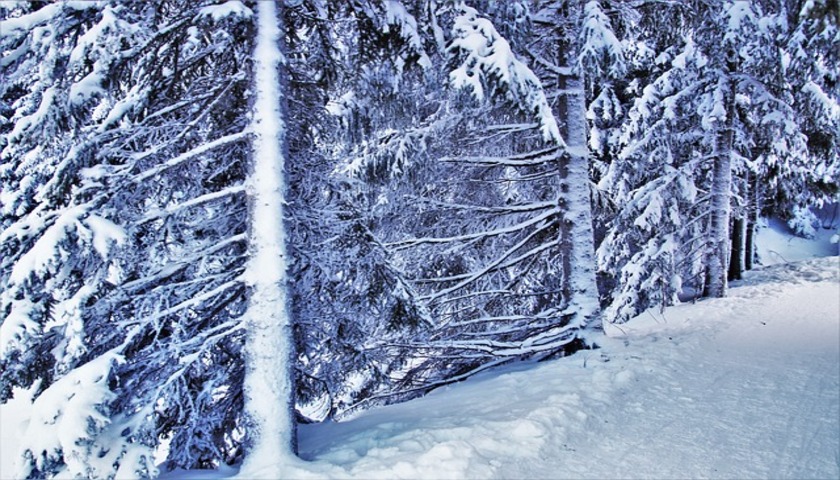
Preparing a pine or another conifer for winter is not a single “just in case” treatment. The first step is to understand the condition in which the plant is entering the cold season: whether it received enough water, whether soil levels changed, whether roots were damaged, and whether there is local dieback, excessive resin or injury at the trunk base.
Conifers retain foliage through winter and continue to lose moisture. Once soil freezes, roots cannot replace that moisture at the same rate. The tree’s condition in autumn therefore affects its response to frost, wind, winter sun and repeated thawing.

Start with the history of the site, not the calendar
Consider what changed around the tree this year. Construction, paths, new lawn, irrigation installation, added soil, heavy machinery and root cutting may alter both water movement and oxygen availability. Crown symptoms may appear months after the original disturbance.
Autumn care cannot repair a severed root system or chronic waterlogging. It can, however, reveal a problem early enough to make a considered plan.
Not sure whether the tree is ready for cold weather? Send an overall photograph of the conifer, the trunk base and a close-up of the affected area. The context will help us suggest what to check first.
Read the crown as a map of the process
Do not only note that needles are yellow or brown; record where the change occurs. Older inner needles may change colour and shed naturally. Dieback of the leader, one large branch, current-year growth or one side of the crown requires a different explanation.
- Compare sun-exposed and shaded parts of the crown.
- Check whether terminal buds remain alive.
- Look for resin, cracks, holes and fine boring dust.
- Compare the affected tree with neighbouring trees.
The same browning pattern can result from water stress, damaged roots, winter desiccation, pathogens or insects. The distribution of symptoms guides a diagnosis but does not establish one by itself.
Inspect the trunk base and root zone
The root flare should not disappear beneath added soil, turf or a thick mound of mulch. Material piled against bark retains moisture where trunk tissue is not adapted to it. Raising the soil level can also reduce oxygen available to shallow roots.
Check whether the trunk widens naturally at ground level, whether water collects in depressions, and whether a recent trench crosses the rooting area. Do not abruptly expose large roots: where grade was changed long ago, recovery should be planned after assessing the tree.

Autumn watering begins with checking the soil
Conifers should enter winter with neither desiccated nor continuously saturated soil. Examine moisture at several points beneath the crown, not only beside the trunk. A wet surface can conceal dry soil below; in compacted heavy soil the opposite problem occurs as retained water displaces air.
Slow, even watering before freeze-up can help after a dry autumn. It is not appropriate when the root zone is already wet or drainage is impaired. This is why a universal number of litres, without reference to soil and tree size, can be misleading.
Mulch, lawn and sanitation
A moderate layer of organic mulch buffers temperature and moisture. Keep it away from the trunk and avoid a “mulch volcano”. Lawn growing directly against a pine competes for water and increases the risk of mower or trimmer injury.
Fallen needles do not always need to be removed completely; in natural systems they contribute to litter. Material showing clear disease signs is considered separately, and sanitation depends on the process that has actually been identified.
What not to do before winter
- Do not apply high nitrogen doses for rapid greening.
- Do not prune heavily without a clear reason.
- Do not seal the crown in impermeable plastic.
- Do not apply a fungicide or insecticide solely because needles changed colour.
- Do not bury the trunk base beneath soil or compost.
A preventive treatment is justified only when the target organism, susceptible plant stage and effective timing are understood. Otherwise it may create a feeling of action without addressing the cause of decline.


A quick check before the cold season
| What to inspect | Expected condition | When it needs attention |
|---|---|---|
| Needles and growth | Older inner needles change evenly and buds remain alive | The leader, current growth or one crown sector turns brown |
| Soil | Moderately moist with no standing water | The root zone is dry or remains saturated |
| Trunk base | The natural trunk flare is visible | Bark is buried by soil, turf or deep mulch |
| Bark and branches | No new wounds, holes or extensive resin flow | Fresh injury, boring dust or separating bark is present |
Found a worrying symptom during the inspection? Tell us when the change appeared, how the plant was watered and what work took place nearby. This helps distinguish a seasonal response from a problem that should not wait until spring.
When diagnosis should not wait
Arrange an assessment when leader dieback progresses quickly, a brown sector expands, resin flow is extensive, bark separates, the tree leans after ground works, or water remains around the roots. For an initial review, photograph the whole tree and site, the crown from several sides, the trunk base, the boundary between healthy and affected needles, and recent construction areas.
Professional plant diagnosis and treatment helps distinguish seasonal change from a condition requiring intervention. For pine-specific problems, see our pine treatment service.
Is your conifer entering winter in a weakened condition? Send photographs of the tree and briefly describe the site conditions. We can help determine whether monitoring and adjusted care are enough or an on-site diagnosis is warranted.
Frequently asked questions
Is autumn yellowing in pine normal?
Partial yellowing of older inner needles can be natural. Changes affecting young needles, the leader or large crown sectors require closer assessment.
Should conifers be watered heavily before frost?
Only when the soil is genuinely dry and can accept water. More water can worsen root stress on saturated or compacted sites.
Do conifers need an autumn fungicide?
Not automatically. Symptoms, the possible pathogen and the effective treatment window must be established first.
Should a mature pine be wrapped?
Established, site-adapted pines rarely need full wrapping. Young transplants and exposed plants should be assessed individually.