
Green Clinic field note
Magnesium and Potassium Deficiency in Conifers
Needle yellowing may reflect magnesium or potassium deficiency, but root problems, pH and disease must also be considered.

Magnesium or potassium deficiency can contribute to yellowing of older conifer needles, often beginning near the tips. Colour patterns alone are not enough for diagnosis because drought, damaged roots, unsuitable pH, salt injury and disease can look similar.
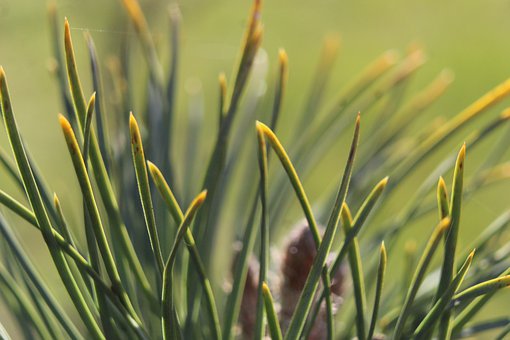
Possible magnesium deficiency pattern
- older needle classes are affected before current growth;
- yellowing may begin at needle tips;
- symptoms can be stronger on exposed, well-lit branches;
- current-year needles may remain green until deficiency is advanced.
Possible potassium deficiency pattern
- older needles may yellow or brown from the tip;
- the colour can appear duller than typical magnesium-related chlorosis;
- younger foliage may become affected as the problem progresses;
- shoot growth and stress tolerance may decline.
Needle tips are turning yellow or brown? Send the whole conifer, several needle age classes, the trunk base and the surrounding soil.
Why fertilising immediately can be a mistake
Nutrients may be present but unavailable because of pH, waterlogging, drought or impaired fine roots. Additional fertiliser can increase salt stress and does not correct structural root-zone problems. A pattern shared by several plants may also reflect irrigation or soil conditions rather than a single nutrient.
How deficiency is assessed
- compare current and older needle classes;
- review soil moisture, drainage and root-zone disturbance;
- check for spots, bands, pests and fungal structures;
- use soil and, where appropriate, tissue analysis;
- interpret laboratory values in relation to species and site conditions.
An integrated plant assessment reduces the risk of treating the wrong cause. Nutritional correction can then form part of a targeted conifer support plan.
Do not diagnose deficiency from colour alone
Testing and root-zone assessment help determine whether nutrients are actually lacking or simply unavailable.