
Green Clinic field note
Why Is My Pine Turning Yellow? Causes and What to Check
Pine needles may turn yellow because of seasonal shedding, water stress, root problems, disease, pests or nutrient imbalance.
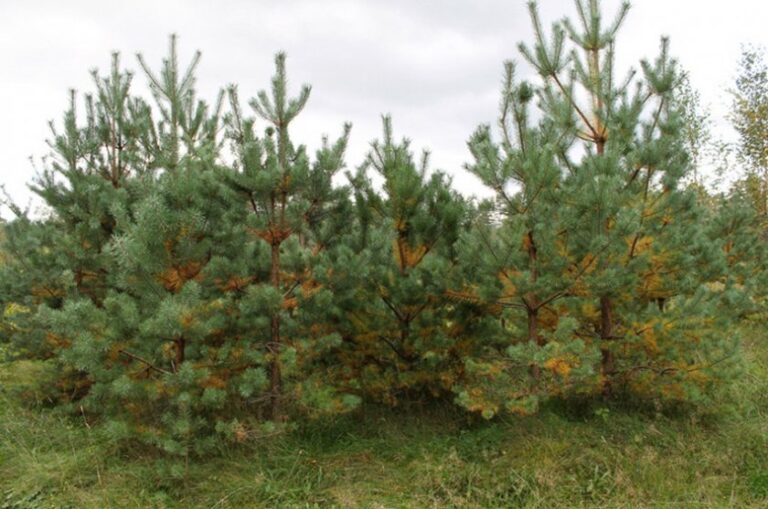
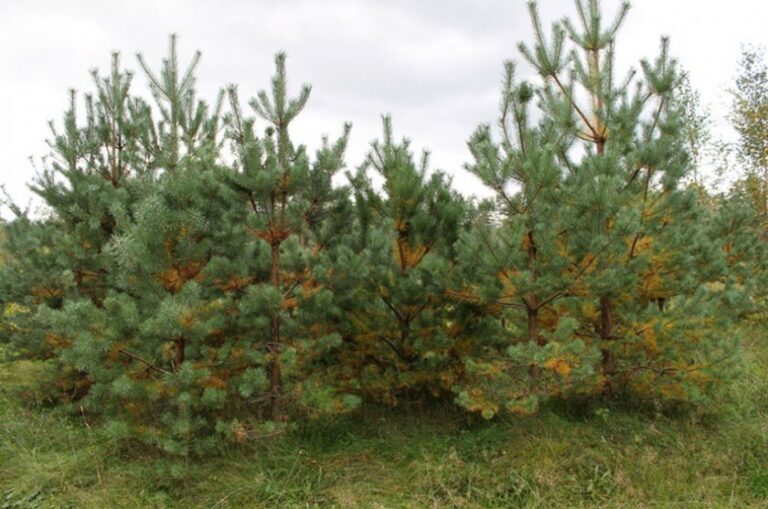
A pine can turn yellow because of normal seasonal needle shedding, but also because of water stress, root damage, planting problems, disease, pests or nutrient imbalance. The location and age of the yellow needles are more informative than colour alone.
When yellowing can be normal
Pines retain needles for several years, not forever. Older needles inside the crown commonly yellow and fall while the shoot tips remain green and continue to grow. A uniform seasonal pattern on older foliage is usually less concerning than rapid yellowing of new growth or an entire crown sector.
Common causes of abnormal yellowing
Water and root-zone stress
Drought, waterlogging, compacted soil, added fill and damaged roots can all reduce water supply to the crown. Frequent irrigation does not guarantee that roots are functioning well.
Planting and transplant stress
A tree planted too deeply, moved during unsuitable weather or allowed to dry before establishment may decline gradually. The root flare and soil moisture should be checked before fertiliser is added.
Needle and shoot diseases
Dothistroma needle blight, needle cast, rust and shoot diseases may create bands, spots, black fruiting structures or a characteristic distribution within the crown.
Pests
Mites, scale insects, sawflies and bark beetles can change needle colour, but each leaves additional evidence. Holes, boring dust, resin, webbing and damaged shoots should be documented.
Is yellowing spreading or affecting new growth? Send the whole pine, an affected branch, the trunk base and the surrounding soil.
What to check before treatment
- which needle age is affected;
- whether yellowing is uniform or confined to one side;
- soil moisture below the surface and drainage after rain;
- recent excavation, paving, soil addition or irrigation changes;
- spots, bands, resin, holes and insects;
- whether neighbouring pines show the same pattern.
Do not apply fertiliser simply because needles are yellow: excess salts can worsen root stress. Professional diagnosis separates site problems from infection and supports a targeted pine treatment plan.
Pine yellowing has changed within weeks?
Photograph the pattern before pruning or spraying. Early evidence often makes the cause easier to identify.