
Green Clinic field note
Diplodia Blight of Pine: Symptoms and What to Do
How to recognise possible Diplodia shoot blight in pine and what to check before treating the tree.
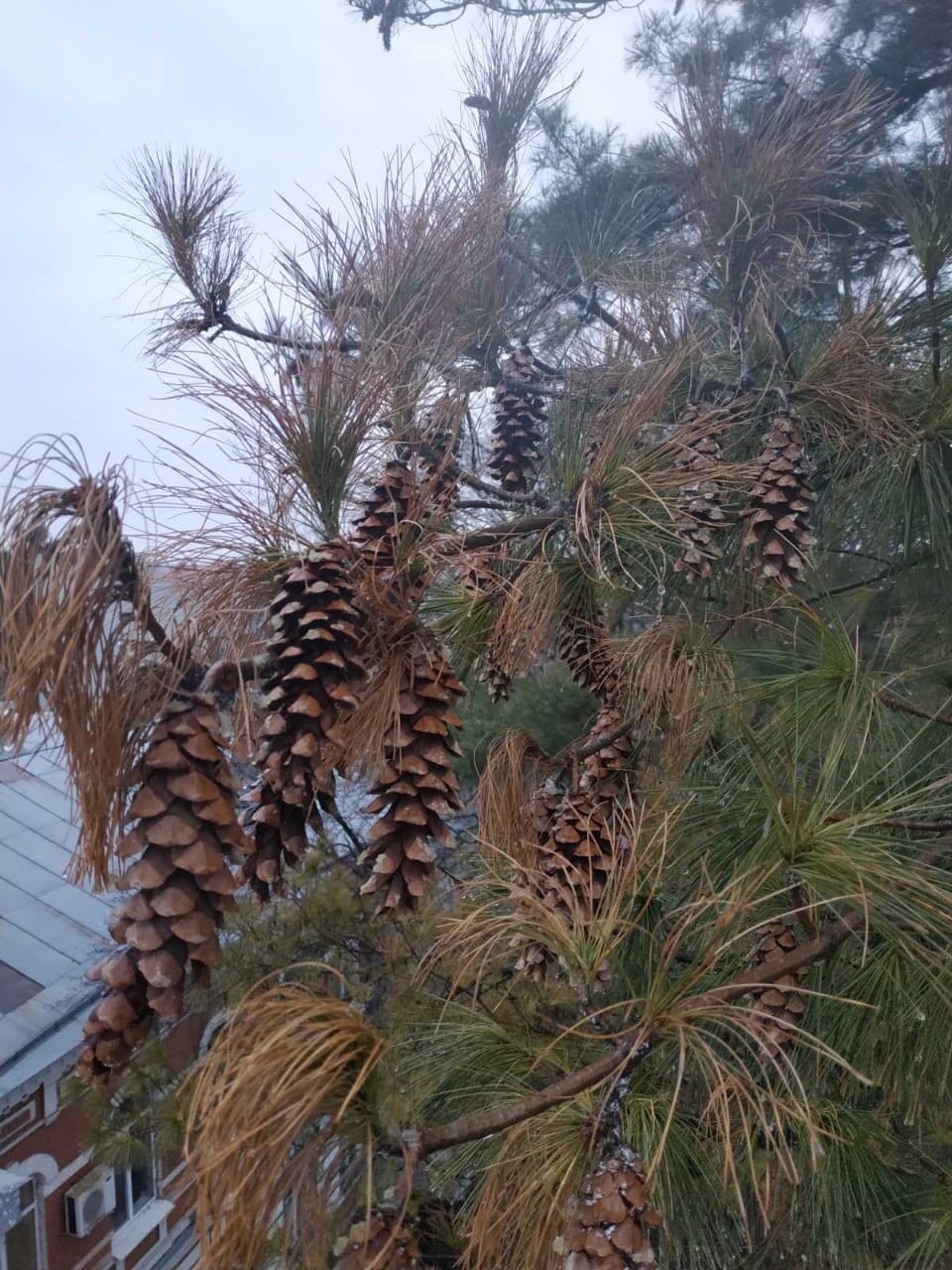
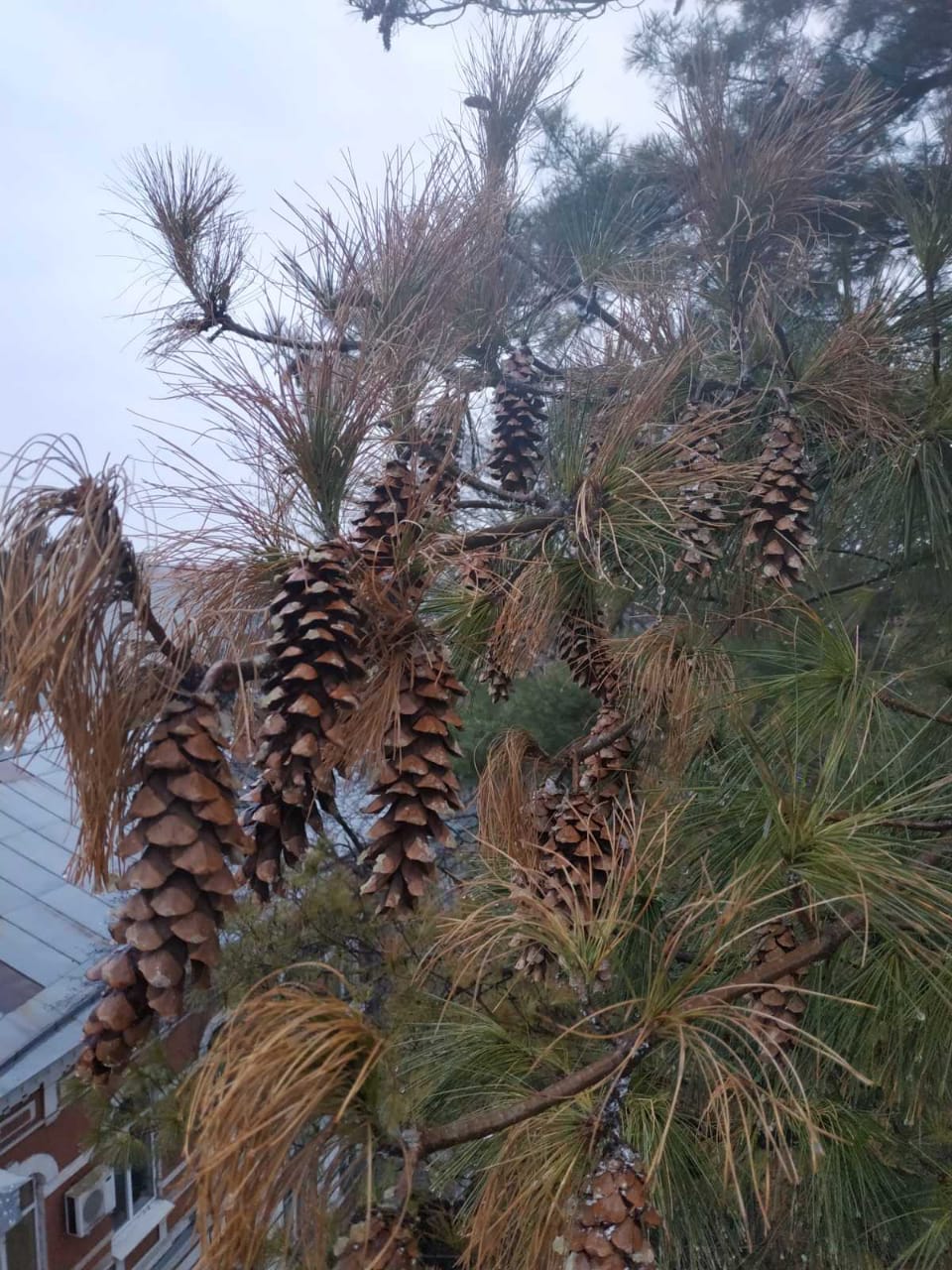
Diplodia blight commonly appears as stunted, dying current-year shoots, browning needles and localised resin. These signs are not unique to one disease, so the crown, shoots, trunk and root-zone conditions should be assessed before treatment is selected.
What is Diplodia blight?
Diplodia shoot blight is primarily associated with Diplodia sapinea. The fungus can persist in affected tissues and cones. Pines weakened by drought, root injury, compacted soil or abrupt site changes are often more vulnerable to severe damage.
Typical warning signs
- new shoots stop elongating and remain shortened;
- needles at shoot tips turn brown but may remain attached;
- small dark fruiting structures develop on affected tissue or cones;
- resin appears around damaged shoots;
- similar symptoms recur in different crown sectors.
Are young pine shoots dying back? Send an overall view, a close-up of the transition to healthy tissue and a photograph of the trunk base.
What can look similar?
Dothistroma needle blight, needle cast, frost or sun injury, drought, impaired roots and shoot-feeding insects can produce overlapping symptoms. Resin alone does not confirm Diplodia because pines also produce it after mechanical injury or insect activity.
What to check on the site
- when symptoms first appeared and how quickly they spread;
- whether excavation or construction occurred nearby;
- changes in irrigation or rainwater drainage;
- holes, boring dust or bark injury;
- whether one pine or several trees are affected.
What to do next
Document suspect branches before pruning. Sanitise tools and do not leave heavily affected debris beneath the tree. The timing and type of plant-protection measures should follow diagnosis and the seasonal infection cycle rather than needle colour alone.
Professional plant diagnosis combines the crown, shoots, trunk and root zone. If the working diagnosis is confirmed, an individual pine treatment plan can be prepared.
Do not wait for the entire annual growth to die
Early assessment leaves more options for preserving the crown and correcting the factors that weaken the tree.