
Green Clinic field note
Mushrooms Near a Tree: Natural Decay or a Root Problem?
Fruiting bodies may grow from old wood, but mushrooms at the base of a declining tree warrant assessment.
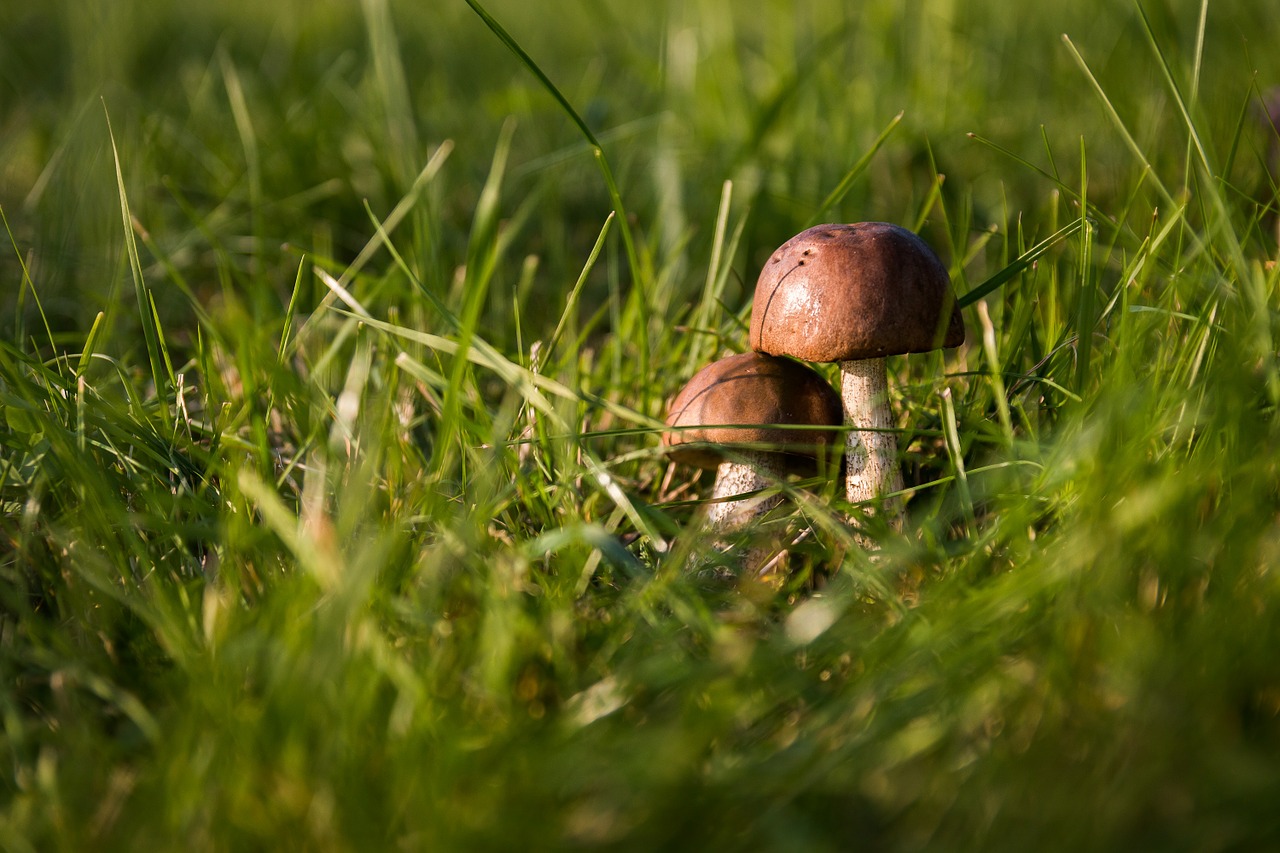
Mushrooms near a tree do not automatically mean the tree is diseased. Many fungi decompose leaves, mulch, old roots and buried wood. Fruiting bodies on the root flare, major roots or trunk together with crown dieback or cavities deserve assessment.
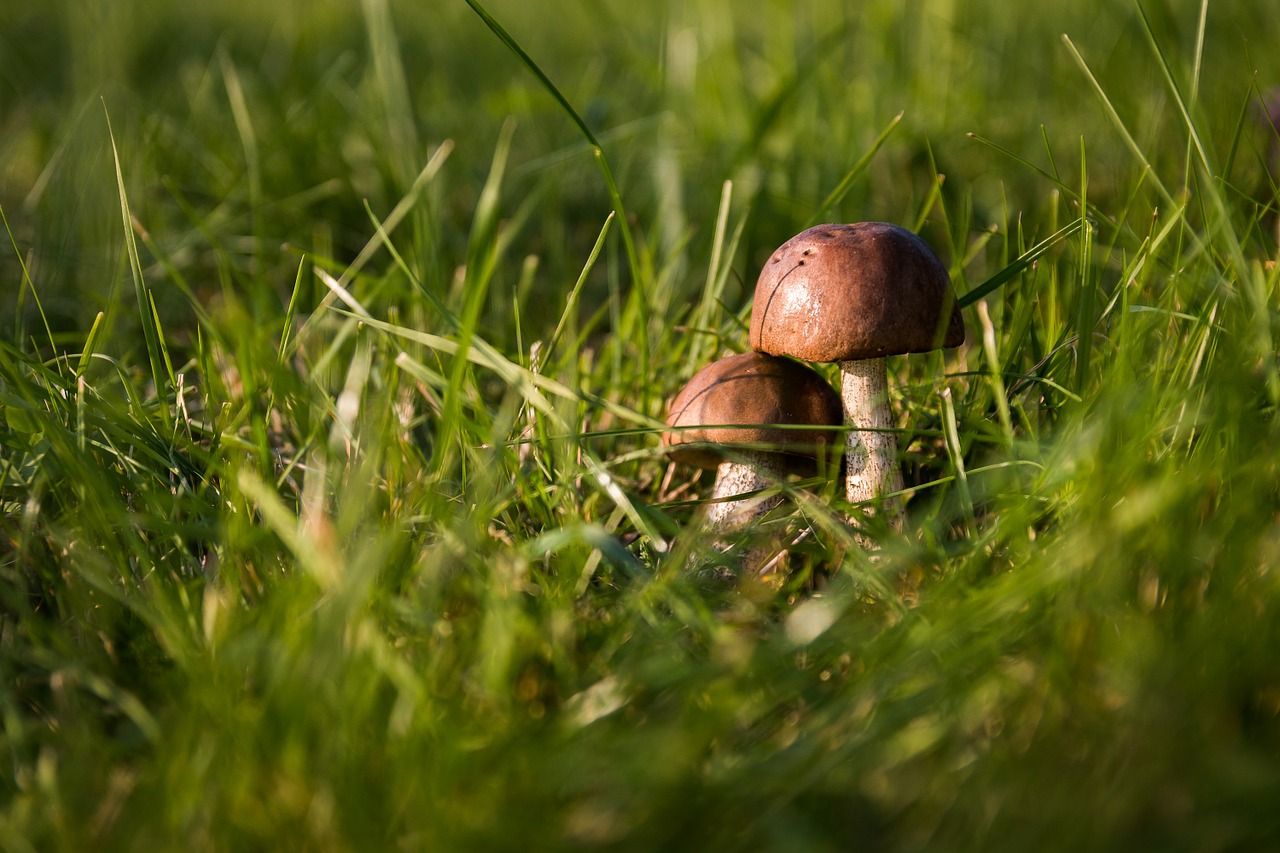
What is visible above soil
Mycelium lives in soil or wood and forms fruiting bodies after wet weather. Their presence does not by itself reveal whether the fungus feeds on dead matter or damages living tissues.
When mushrooms reflect natural decay
Normal shedding usually affects old inner needles uniformly while current growth remains healthy.
- Do mushrooms emerge from soil, roots or trunk? Do they recur? Has crown condition or lean changed?
- Compare the tree with neighbouring plants and earlier photographs.
Do mushrooms emerge from soil, roots or trunk? Do they recur? Has crown condition or lean changed?
Signs that increase concern
Fruiting bodies on structural roots or trunk, repeated appearance, soft or hollow wood, major branch death, new lean and lifting soil require closer inspection.
What a specialist assesses
A specialist examines the emergence point, cavities, cracks, old wounds, crown, drainage, irrigation and construction history. Instrumental or laboratory evidence may be added.
What not to do
Do not use fungicide without identification. Do not bury the trunk base or cut major roots. If mushrooms follow overwatering, examine drainage.
Do mushrooms emerge from soil, roots or trunk? Do they recur? Has crown condition or lean changed?
When assessment is urgent
Prompt assessment is appropriate beside a house, road or play area when base mushrooms occur with lean, cracks or major dead branches. Professional plant diagnosis connects visible symptoms with site history and root-zone condition.
Do mushrooms emerge from soil, roots or trunk? Do they recur? Has crown condition or lean changed?
Take an overall photograph, a close-up and record the exact location of the change.
Location matters more than mushroom colour
Similar fruiting bodies may arise from different substrates. A lawn mushroom over an old root, a conk from a trunk wound and a cluster at the root flare have different implications. Before removal, establish whether there is a direct connection to the living tree.
Photograph upper, side and lower surfaces, include a scale and record distance from the trunk. The lower surface, stalk, attachment and season can all matter for identification.
A situation map
| Where they grow | Possible substrate | Next step |
|---|---|---|
| Scattered in mulch | Wood chips and dead matter | Observe tree and moisture |
| Above an old stump site | Buried roots | Review site history |
| At the root flare | Living or dead basal wood | Arrange professional inspection |
| On trunk or major branch | Wood in a wound or decay zone | Assess extent and risk |
| With a new lean | Possible structural root loss | Restrict the area pending assessment |
Why a green crown does not always mean a safe tree
Physiological condition and mechanical stability are related but not identical. Some roots may still supply water while part of the structural system has lost strength. Assessment therefore considers wood, lean, root plate and potential consequences of failure.
Site context changes the risk: the same uncertainty has different implications deep in a garden and beside a house, road, parking area or play space.
What to prepare for a consultation
- the whole tree and surroundings;
- the trunk base from all sides;
- mushrooms from several angles and their attachment;
- cavities, cracks, wounds and major dead branches;
- irrigation, flooding, trenching and grade history;
- dates of previous fruiting.
Do not clean cavities or peel bark for a photograph. This can damage living tissue and remove useful evidence.
Frequently asked questions
Can one photograph establish the cause?
A photograph helps direct the assessment but does not always replace inspection.
Should I treat just in case?
No. Separate the symptom, risk factor and confirmed diagnosis first.