October 20, 2026
Wet Snow on Conifers: What to Do When Branches Bend or Crack
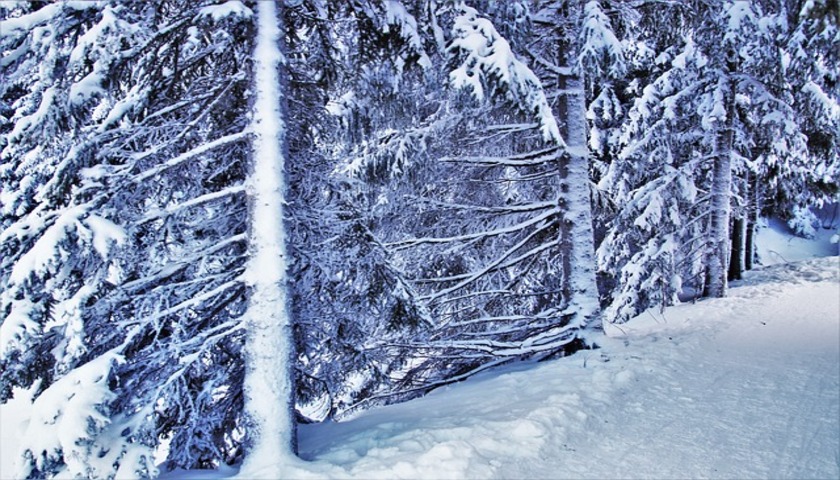
Heavy wet snow and ice can spread stems and break branches. Striking a frozen crown or pruning too soon may increase the damage.

Archive
October 20, 2026
Heavy wet snow and ice can spread stems and break branches. Striking a frozen crown or pruning too soon may increase the damage.

July 5, 2024
Have you noticed that the foliage of a thuja, juniper or cypress has changed colour and that patches of the branches are drying out? This may be the work of the cypress jewel beetle (Lamprodila festiva), a beetle of the jewel beetle family (Buprestidae) that damages plants of the cypress family. “ Larvae of the […]
June 20, 2024
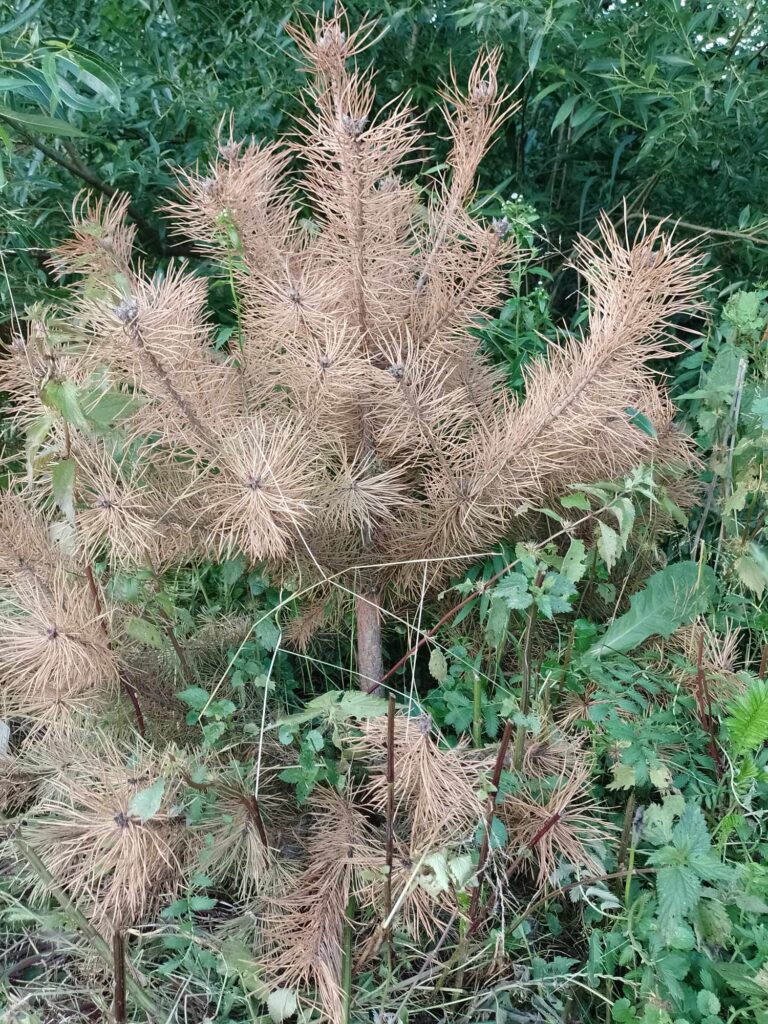
Root rot is a dangerous disease that affects conifers and causes significant problems for forest ecosystems around the world. Caused by the fungal pathogens Phytophthora, Armillaria and Heterobasidion, root rot leads to the decline and death of affected plants, thus threatening the sustainability and health of forest habitats. The ecosystem approach, which focuses on prevention […]
February 23, 2024
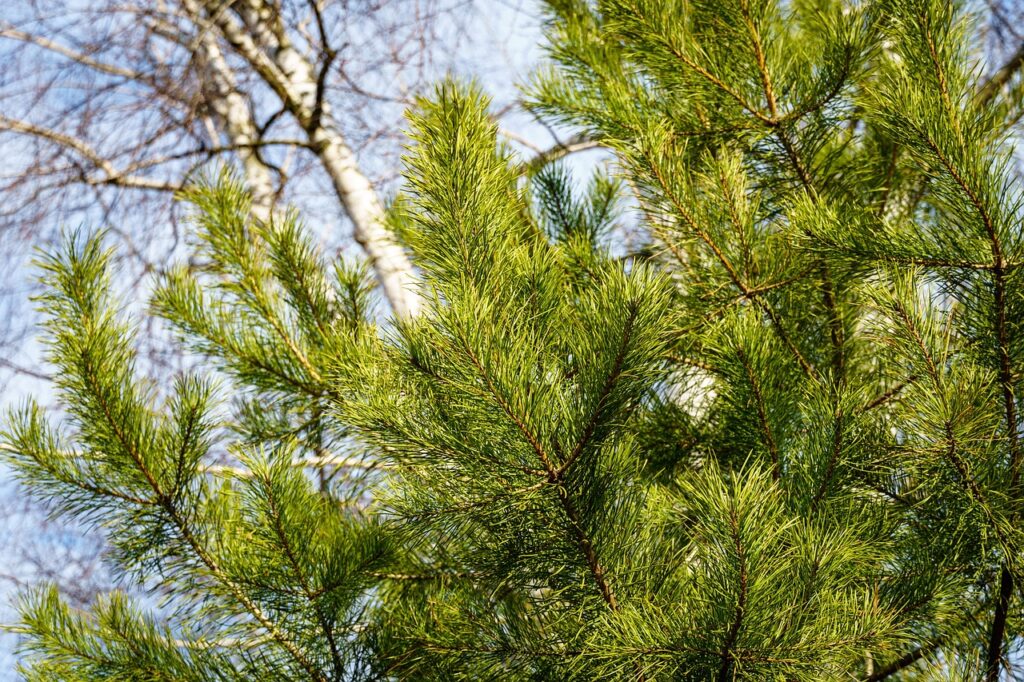
Conifers are a wonderful decoration for any garden or park. They impress with their beauty, variety of shapes and colors, and the fact that they remain green throughout the year.However, it is this feature that makes them vulnerable to the rays of the spring sun, which can cause needle burns and, in some cases, plant […]

December 12, 2023
Conifers are a beautiful ornament to any garden or park, delighting the eye with their evergreen colour and fragrance. Conifers have many advantages over deciduous plants, such as frost tolerance, dryness, longevity and low maintenance. However, this does not mean that conifers do not require attention and care, especially in preparation for the growing season. […]

November 28, 2023
Schütte is not a single disease but a group of fungal diseases of the needles. The name comes from the German schütten, “to pour” or “to shed”. Different fungi attack different plants at different times, but the result is similar: the needles turn yellow, then brown, and drop early. On mature trees this more often […]

September 15, 2023
Needle yellowing may reflect magnesium or potassium deficiency, but root problems, pH and disease must also be considered.

August 8, 2023
Summer needle spots, browning and shedding may indicate disease, heat stress or root-zone problems.

May 27, 2023
Wilting of young shoots of spruce, caused by fungi of the genus Sirococcus, is a serious problem for many types of coniferous plants, such as spruce, fir and almost all types of pine. This disease can cause significant damage in forest plantations and gardens. The pathogen attacks the young growth of conifers, causing damage to […]

May 27, 2023
Prevention of thuja diseases in the spring is an important aspect of caring for these plants. Thuja is a popular evergreen that can be prone to some diseases, especially in conditions of humidity and poor ventilation. Here are some tips for preventing thuja diseases in the spring: Rehabilitation after winter: After winter, arborvitae may need […]

February 10, 2023
Juniper is a genus of evergreen coniferous trees and shrubs. It is valued for its hardiness and its wide range of forms, so it is often planted in gardens and in urban landscaping. Junipers quite often suffer from rust, a fungal disease that has been studied since the early 20th century. What juniper rust is […]
August 22, 2022
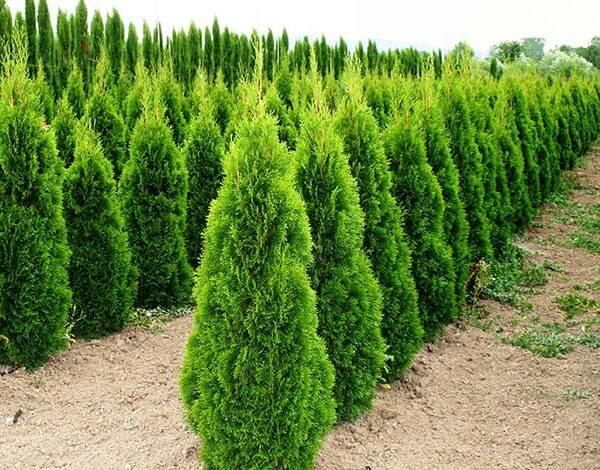
How to distinguish fungal diseases of arborvitae from winter injury, root stress and other causes of browning—and what to inspect before treatment.
August 15, 2022
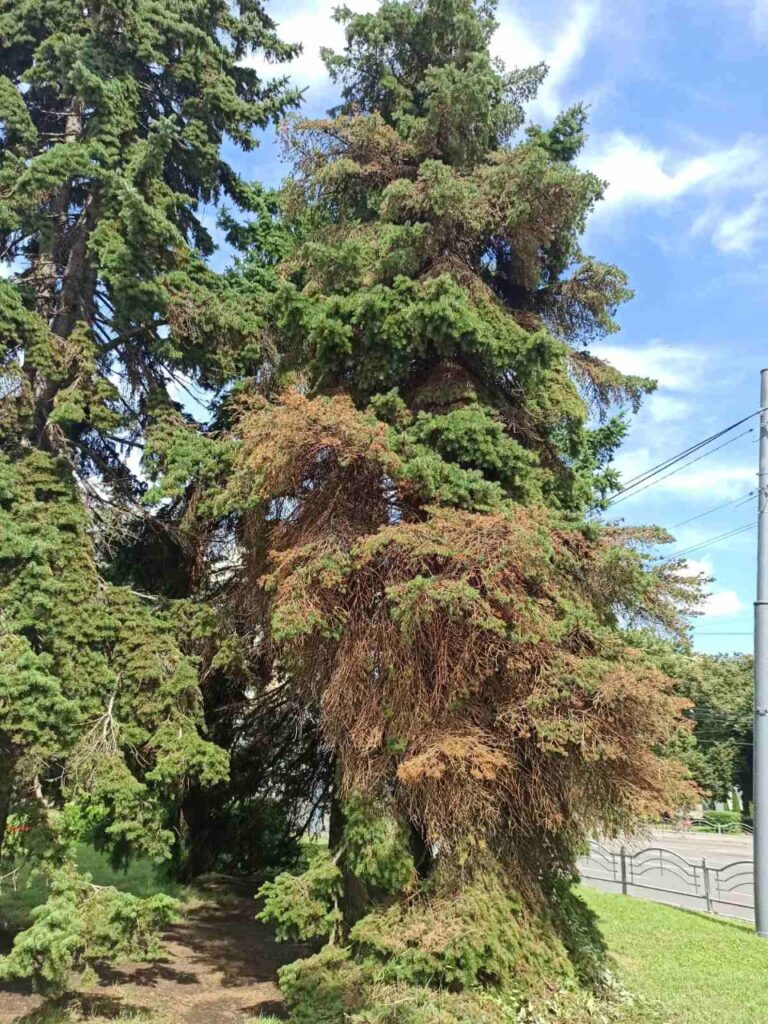
Pale yellow spots followed by browning and needle loss may indicate Rhizosphaera needle cast or another foliage problem.
October 2, 2021
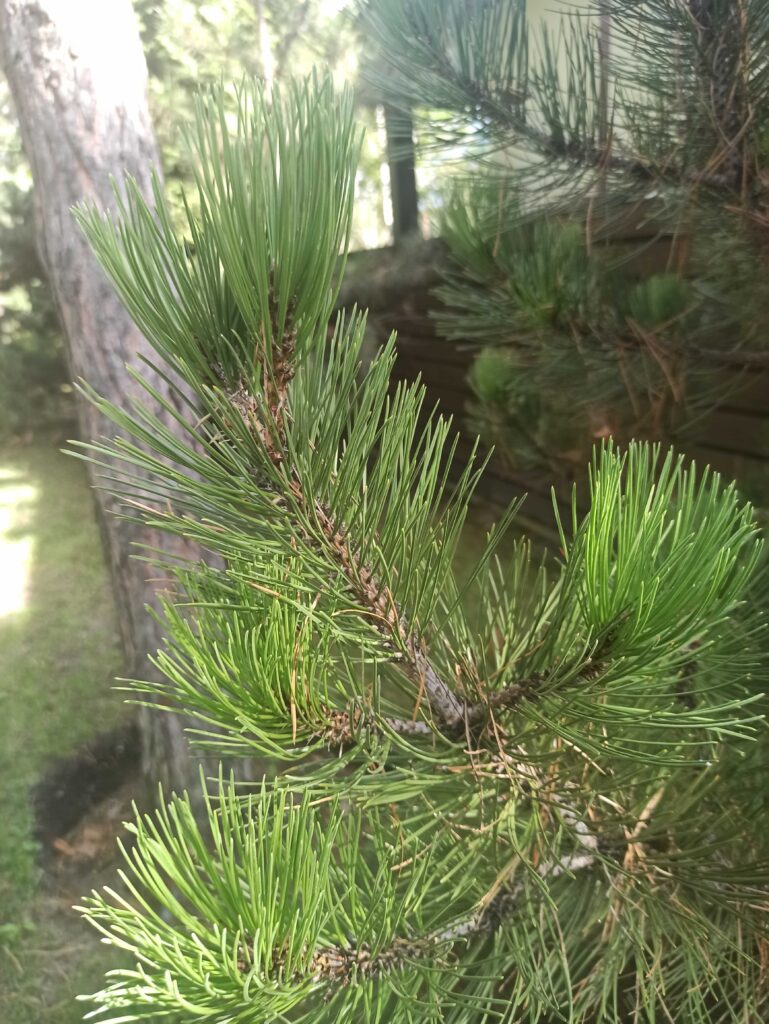
Conifers are evergreen plants, they desperately need feeding, especially in the autumn period. Autumn is the best time to provide plants with reserves of nutrients and trace elements. It is in autumn that plants accumulate the necessary substances that provide resistance to low temperatures and give strength to young growth formed this year. Taking into […]

April 5, 2021
Pine, a genus of coniferous trees of the pine family. These are evergreen trees that can live 400-600 years. But what to do if your pine is not so green, and in some places you can see yellow needles? Do not panic at once, thinking that the tree is disappearing or has already disappeared. Yellowing […]

July 15, 2020
Canadian spruce, like all plants, due to lack of attention in the care or attack of pathogens, can get sick. If a red plaque appears on the branches and the needles fall off, it may be tracheomycosis, it affects the roots of young trees. The disease is incurable and dangerous for surrounding plants. The only […]
July 7, 2020
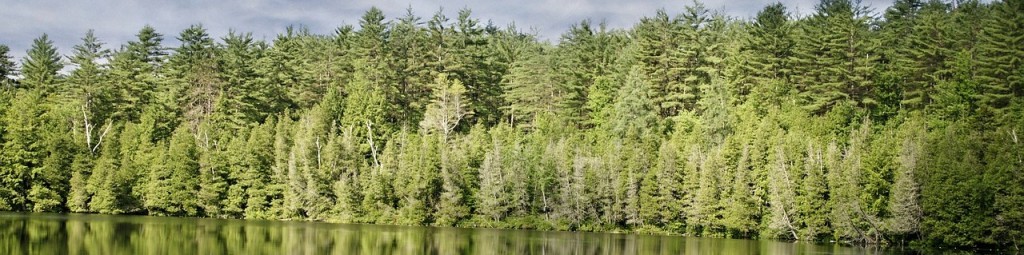
Coniferous spider mite: characteristic features of the pest. Coniferous spider mite is a microscopic (about 0.45 mm long) insect, with an elliptical or ovoid body and a convex upper and flat lower body. Its color varies from light brown to brick red. Head with a blunt, short proboscis on which the organs of nutrition are […]

July 1, 2020
Conifers, like all others, are susceptible to pests. You can deal with them by knowing what they look like and how they damage trees and shrubs. Let’s consider the most common and dangerous pests of conifers. Bark Bark beetles can be called the most dangerous forest pests. Most parasites live and develop under the bark […]